What does San Sebastián's Semana Grande (Big Week) taste like?
As a national and international gourmet capital, gastronomy becomes the true thread running through the festivities.
August is the month of the country’s major festivities, with many of its principal cities setting aside these summer dates to celebrate their grand festivals.
One of the first of the month is Donostia-San Sebastián, whose Semana Grande (Aste Nagusia) is always held from the Saturday before August 15th—the Feast of the Assumption—to the following Saturday.
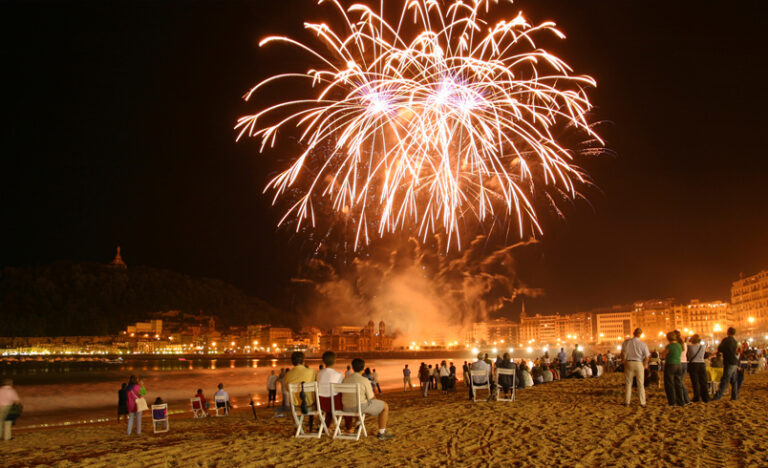
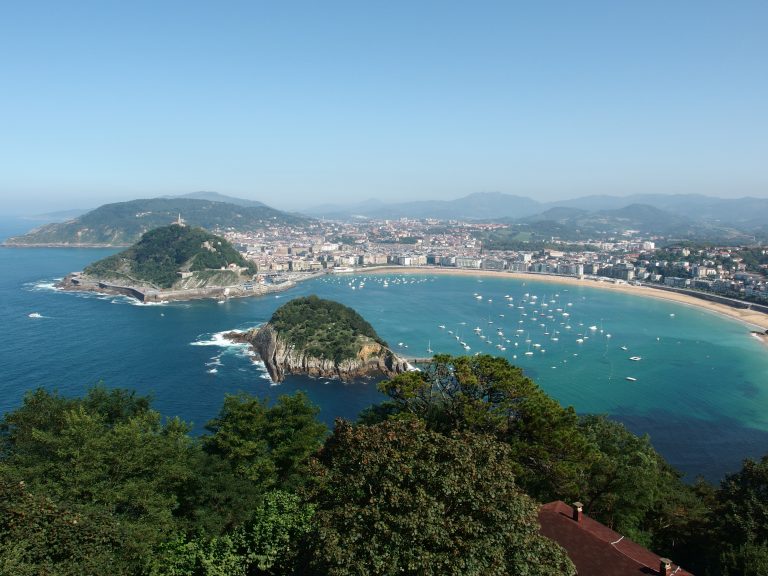
As a national and international gourmet capital, gastronomy becomes the true thread running through the festivities. Throughout this week—this year from August 8th to 15th—Donostia not only vibrates with La Concha’s fireworks or live concerts, but also with celebrations gathered around the table. Donostia’s festive cuisine blends the culinary traditions of its gastronomic societies and restaurants with the vibrant, community spirit of the streets.
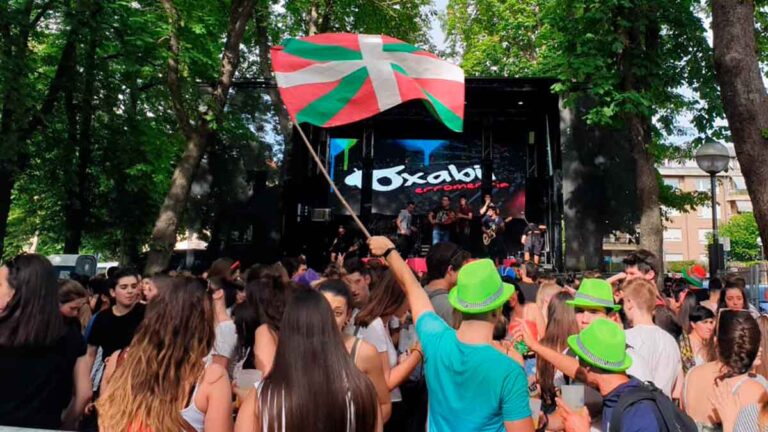
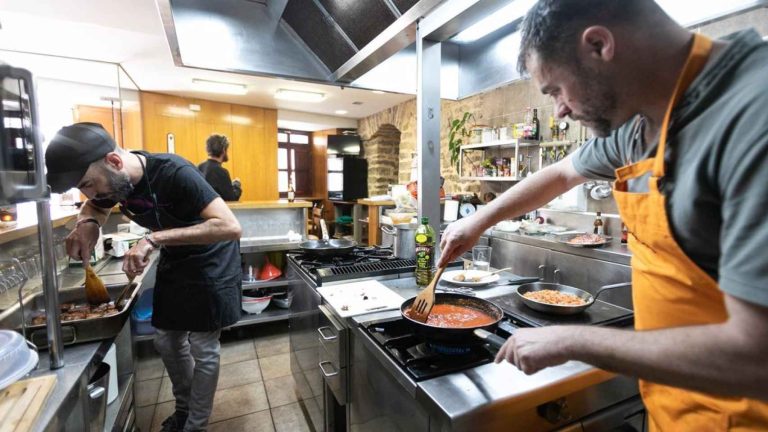
The heart and soul of the street party is largely driven by the local cuadrillas (groups of friends) and associations. All week long, they host their iconic open-air cooking competitions—mainly on Elkano Street—bringing together friend groups, families, and food enthusiasts in a true celebration of Basque cuisine.
It is a unique atmosphere of camaraderie that pairs friendly rivalry with a public tasting of some of the most traditional Basque seafood recipes. Among them, we at Basqvium – Food, Culture & Luxury Experiences highlight the following.
5 Typical Dishes of San Sebastián’s Aste Nagusia
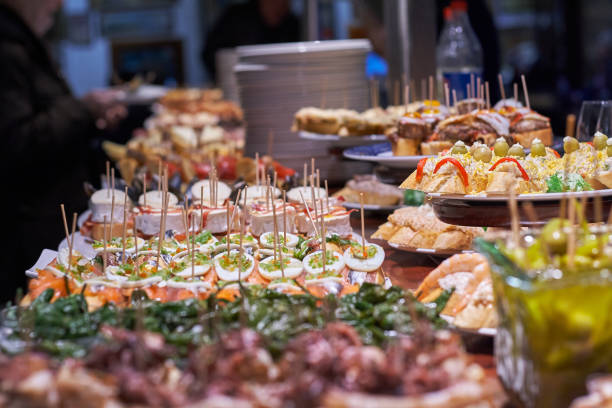
Whether in a formal meal with friends, inside a gastronomic society, or at the restaurants of the Parte Vieja (Old Town), these are five essential dishes that star on menus during the festival:
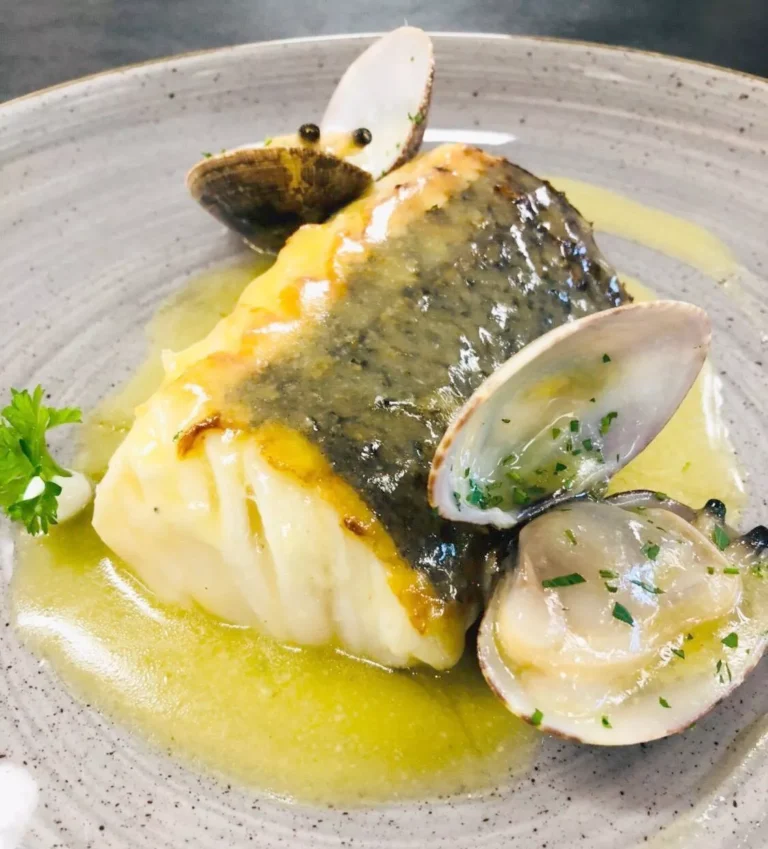
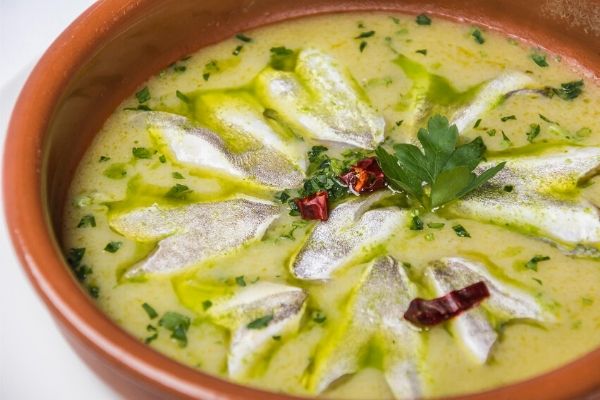
Hake Kokotxas (Pil-Pil or Green Sauce)
Kokotxas—the fleshy, gelatinous throat cut of the fish—are a jewel of Basque gastronomy. During Aste Nagusia, it is customary to enjoy hake kokotxas, either emulsified in a garlic and chili pil-pil sauce or cooked in a fresh parsley green sauce.
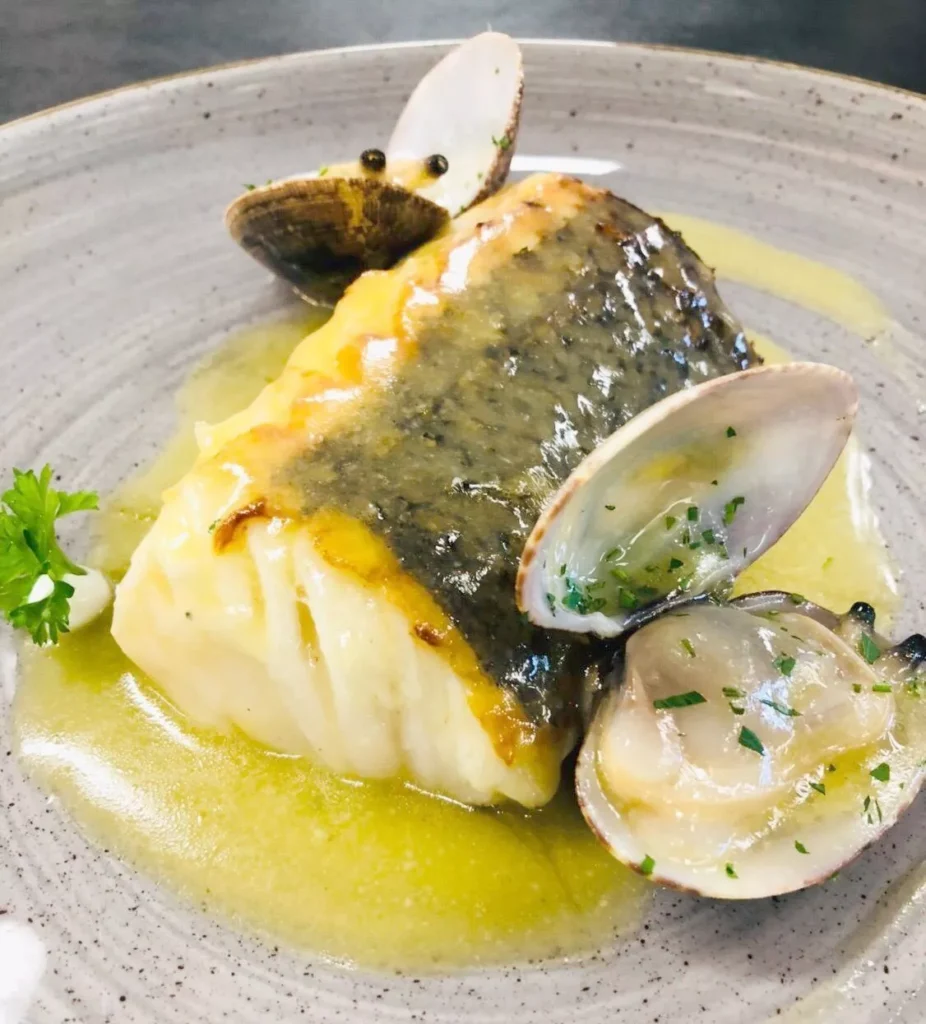
Merluza a la Koskera (Hake Koskera-Style)
Also known as Basque-style hake, this is one of San Sebastián’s most emblematic seafood stews. It is served in a light green sauce accompanied by fresh clams, white asparagus, hard-boiled egg, and peas.
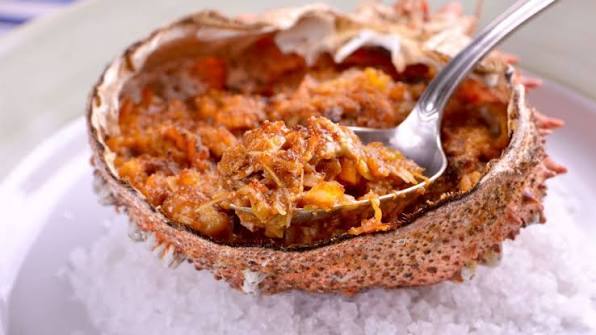
Txangurro a la Donostiarra (San Sebastián-Style Spider Crab)
Shredded spider crab meat cooked in salted water is sautéed with onions, tomatoes, leeks, and a splash of brandy. The mixture is then baked right inside its shell with breadcrumbs until golden and gratinéed.
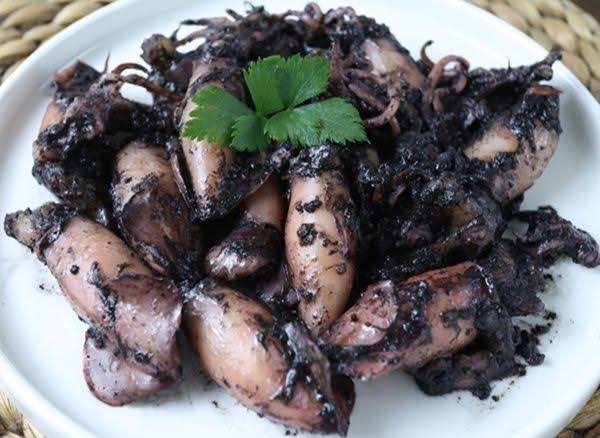
Chipirones en su Tinta (Baby Squid in Its Own Ink)
Another indispensable Basque classic. The secret relies on firm, fresh baby squid cooked in a sauce made from sautéed garlic, onion, tomato, a splash of white wine, fish stock, and the squid’s own black ink, giving it a rich, glossy finish and a deep taste of the sea.
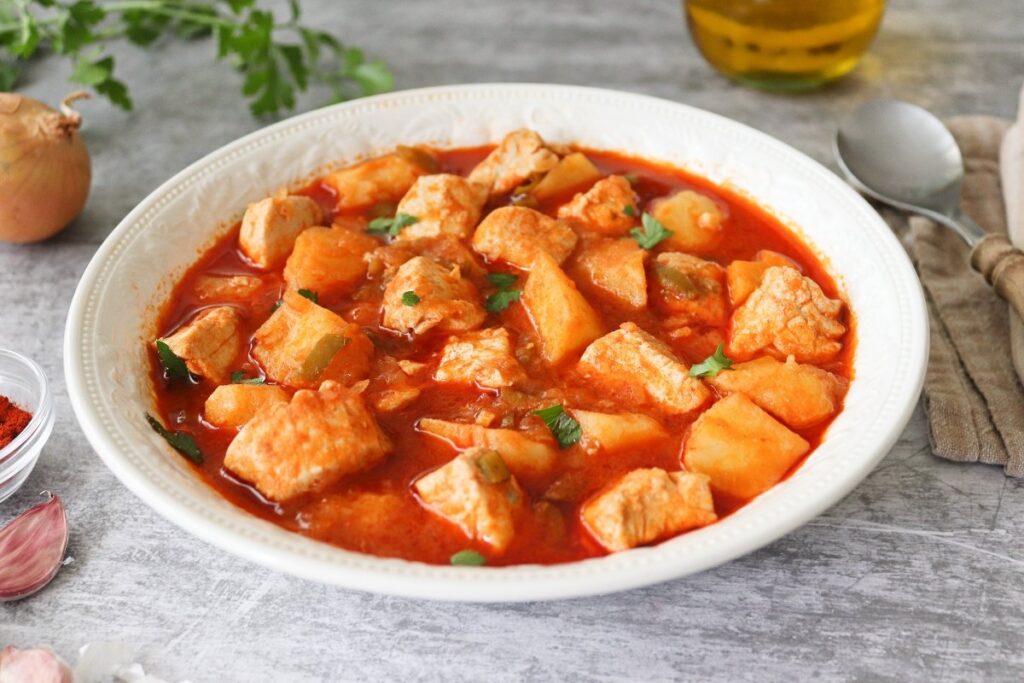
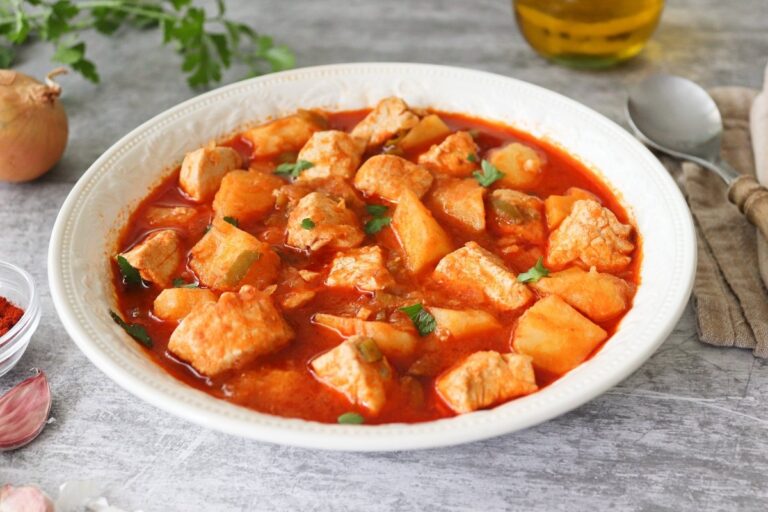
Marmitako de Bonito (Tuna and Potato Stew)
Coinciding with the Northern albacore tuna fishing season, this traditional fisherman’s stew made with potatoes, choricero pepper, onion, and fresh albacore chunks is a staple on group menus.
It is a perfect occasion to witness out in the streets what is so lovingly cooked inside San Sebastián’s famous Sociedades Gastronómicas (Gastronomic Societies). With well over a hundred active today, these private clubs serve as true strongholds and guardians of the city’s culinary history and culture.
Their origins date back to the 19th century when city workers regularly gathered in local taverns to eat after their shifts. Because these gatherings (sobremesas) often stretched on for hours, the city council imposed stricter closing times. The workers responded by creating their own private venues where they could cook and dine without worrying about closing hours.
It remains a true honor to be invited by a member to take part in this ritual celebrating the finest traditions of Basque cuisine.