
The Early Grape Harvest: Earlier Than Ever
The climate is speeding up the wine clock: why the 2026 harvest marks a historical milestone. The vendimia—the traditional grape harvest for winemaking—is the defining moment of the viticultural cycle. For months, winegrowers tend to every vine, waiting for the fruit to hit the ideal balance among sugar, acidity, and aromatic ripeness. However, in this 2026 campaign, nature has dictated its own rhythm across virtually all designations of origin throughout the country, forcing the harvest to be moved up to dates unprecedented in historical records.
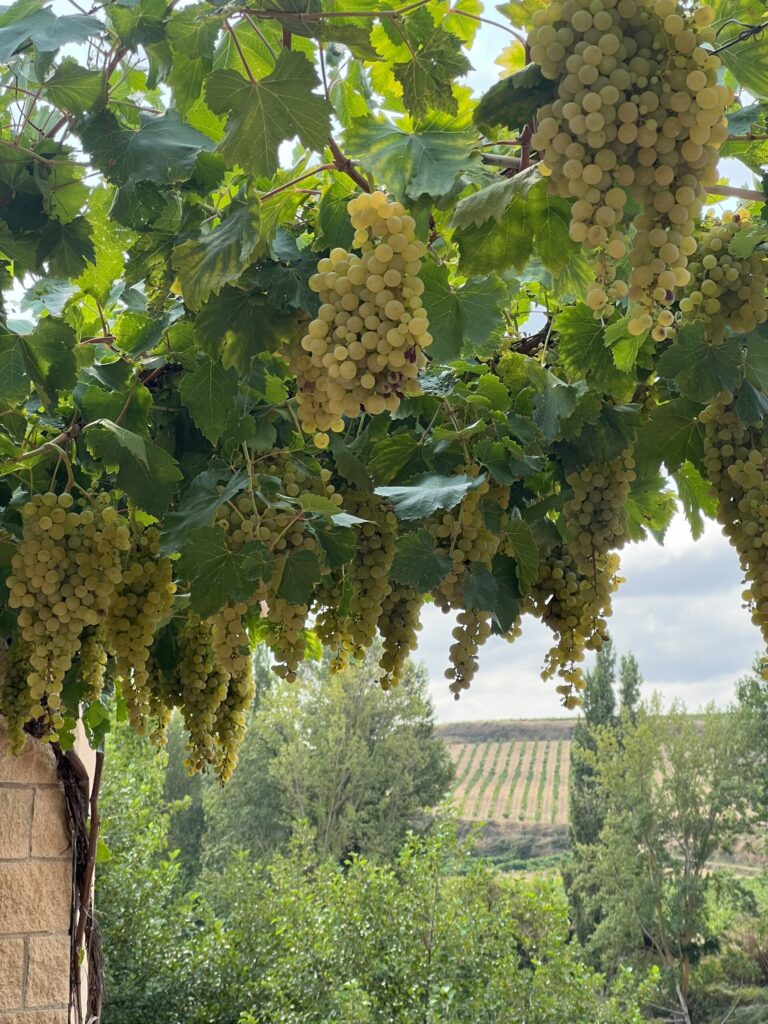
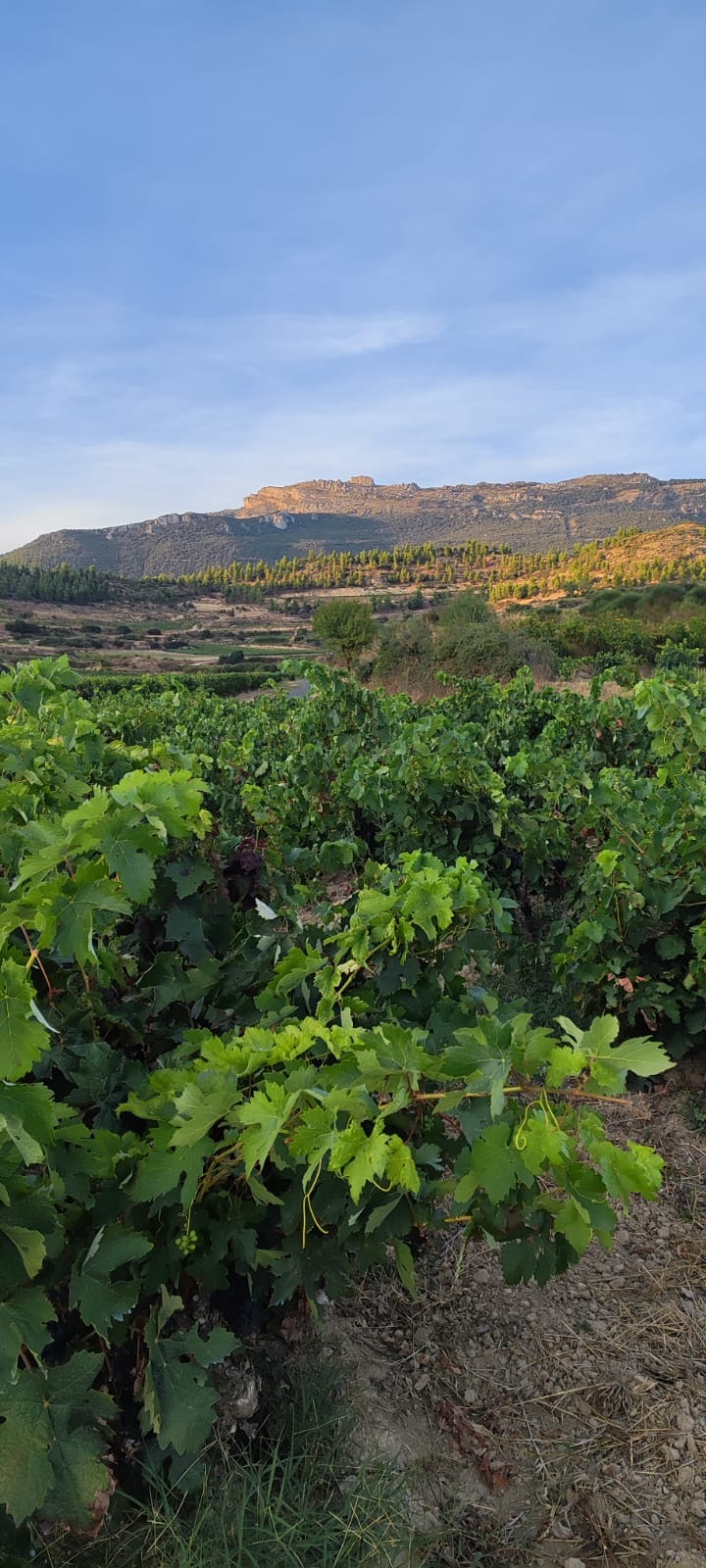
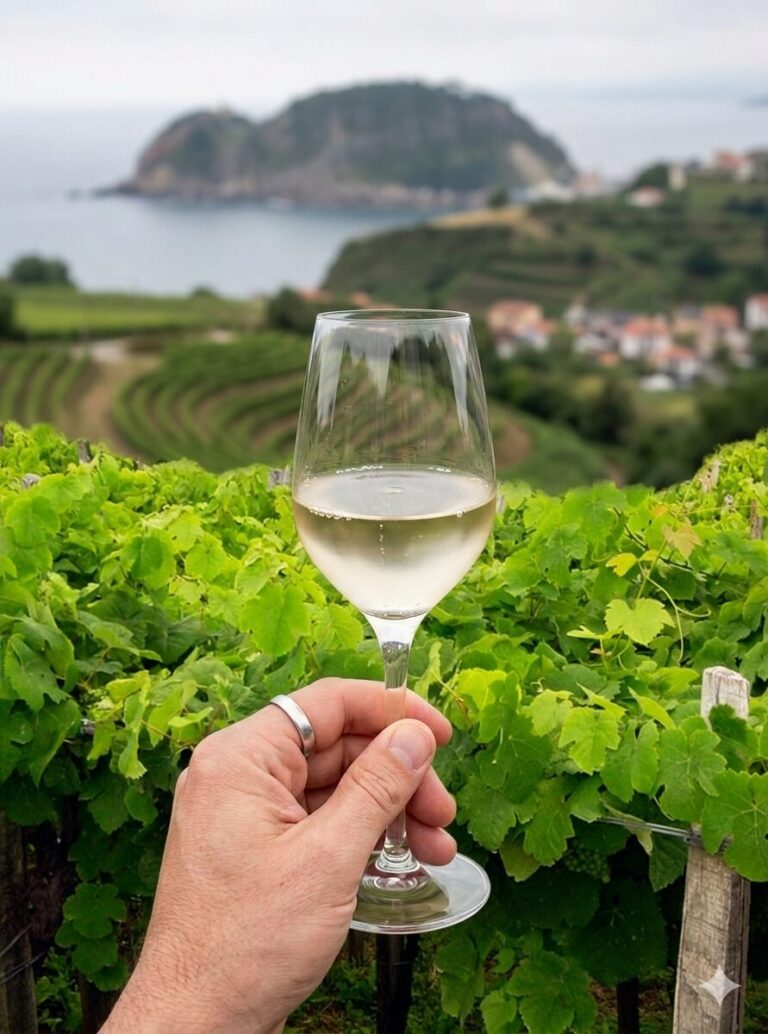
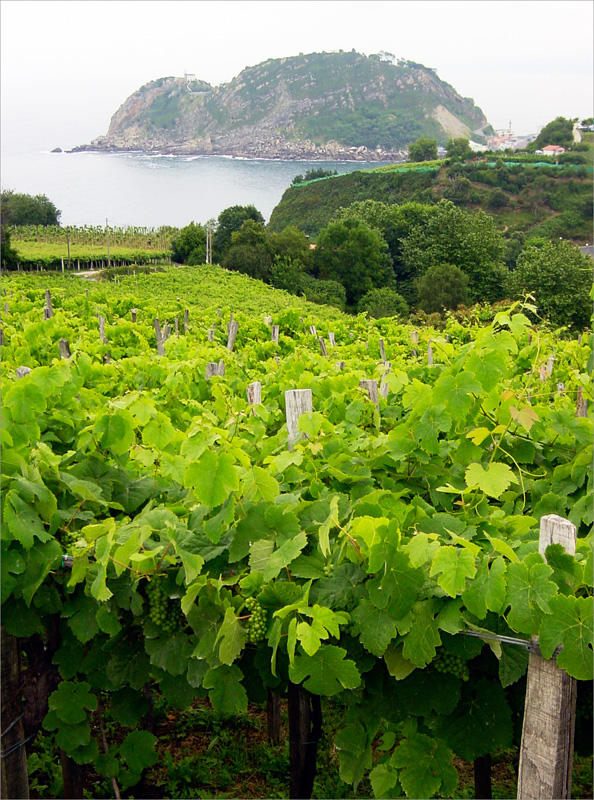
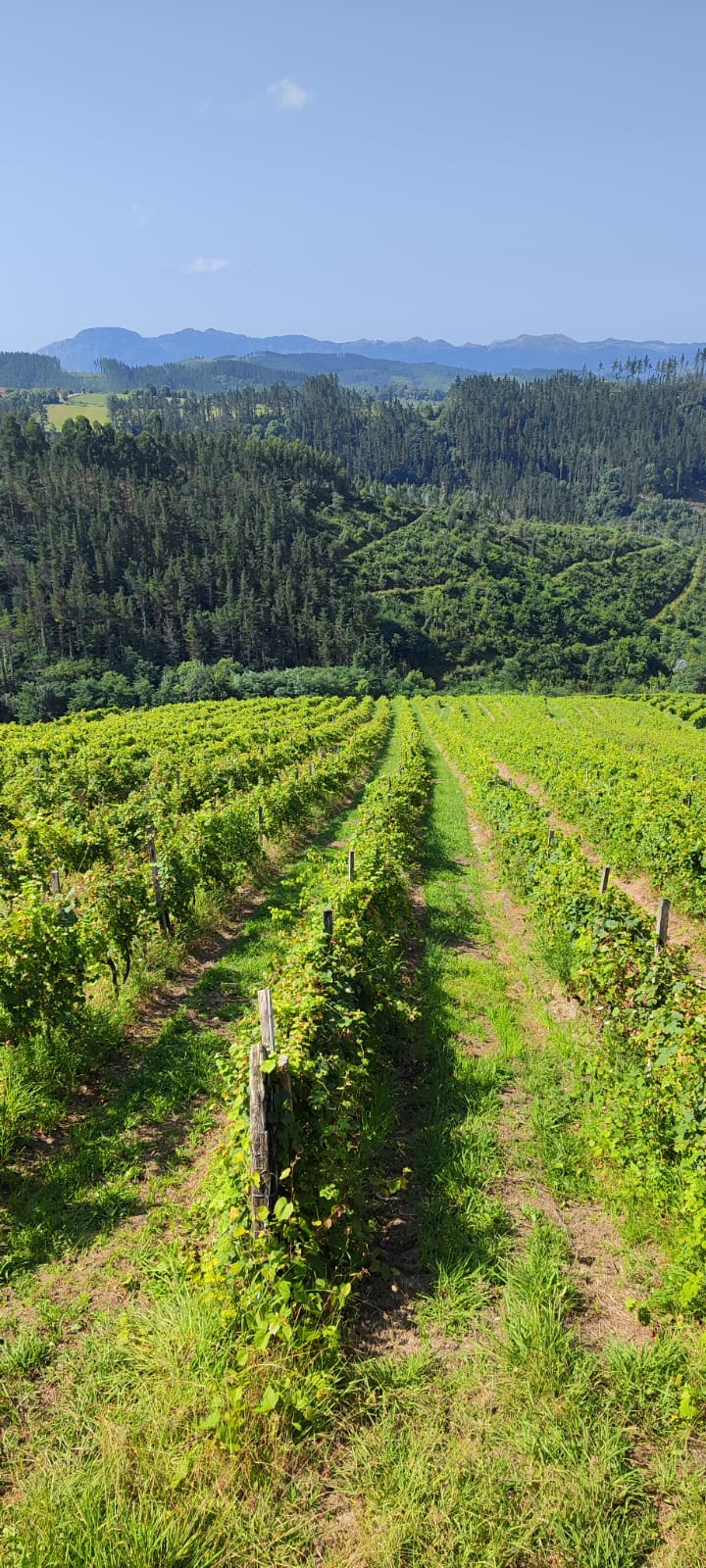
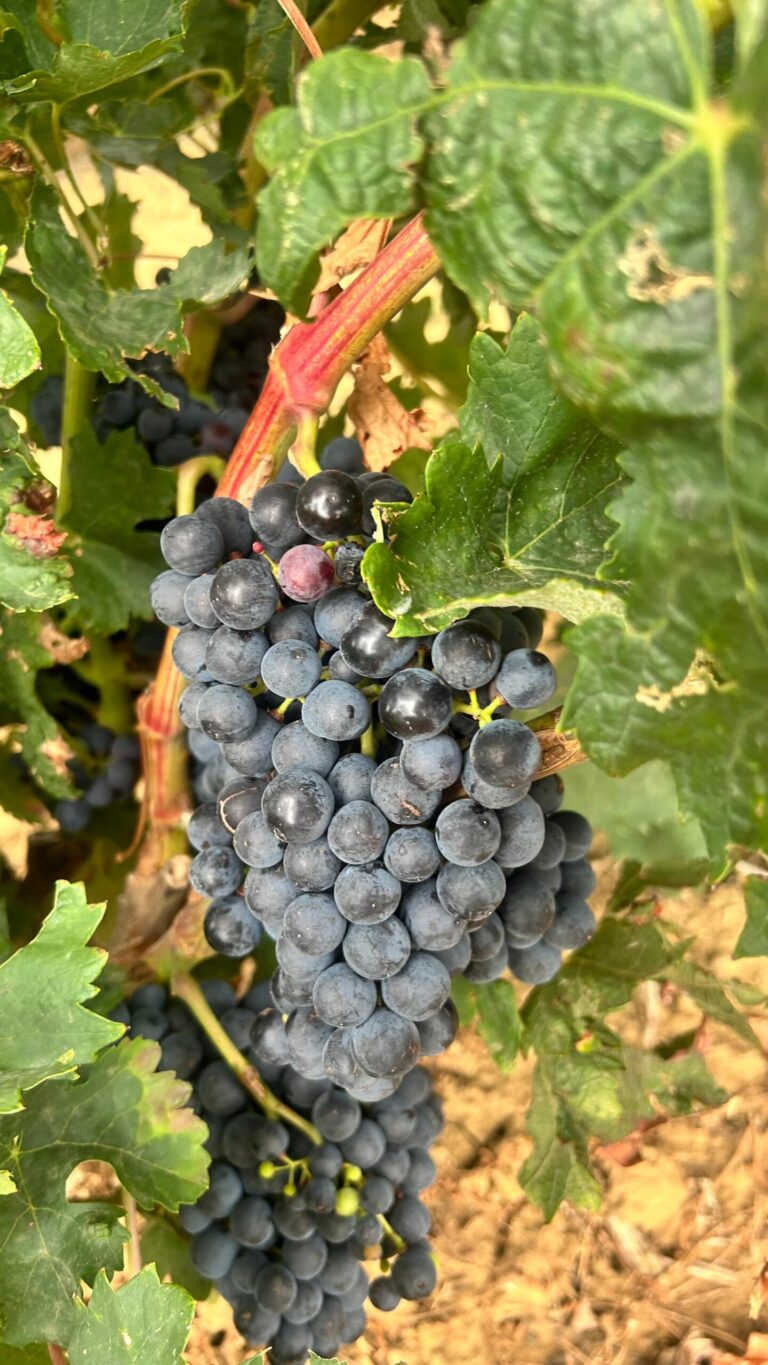
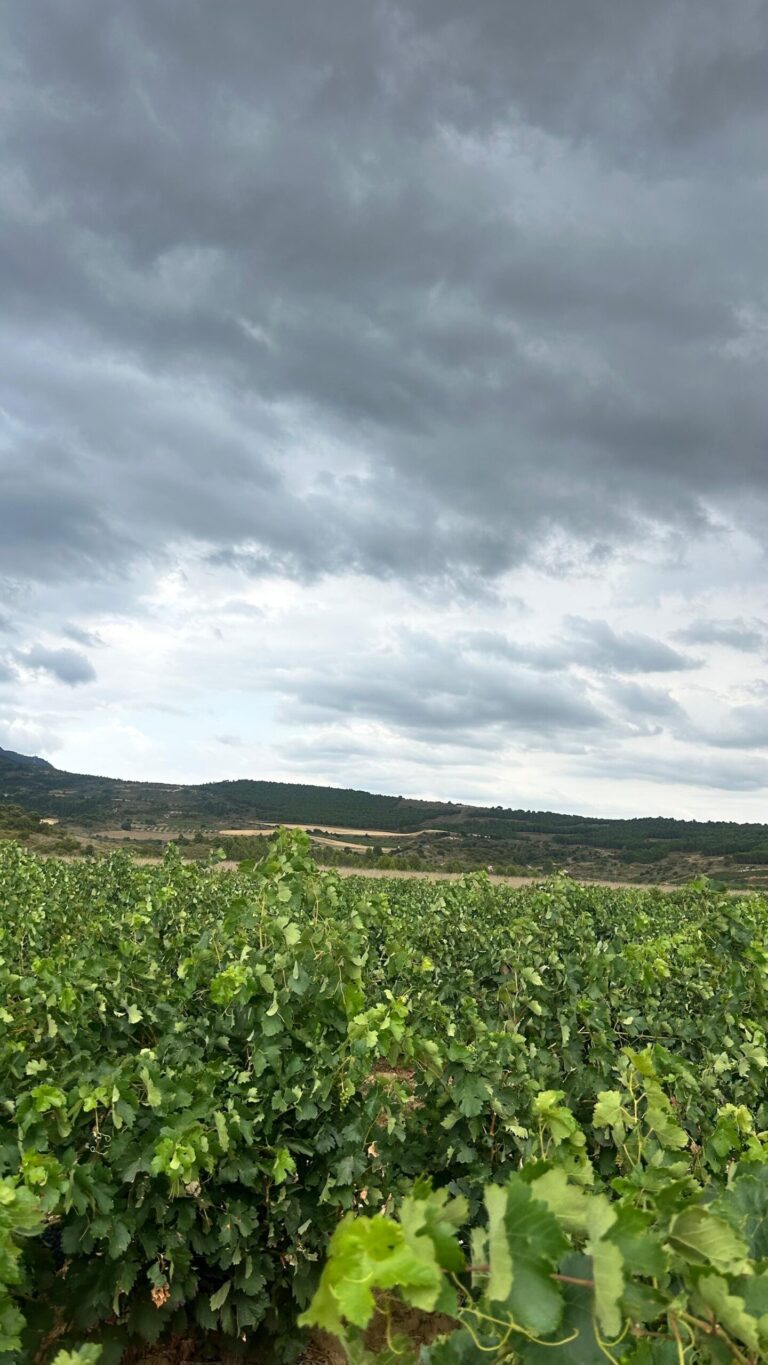
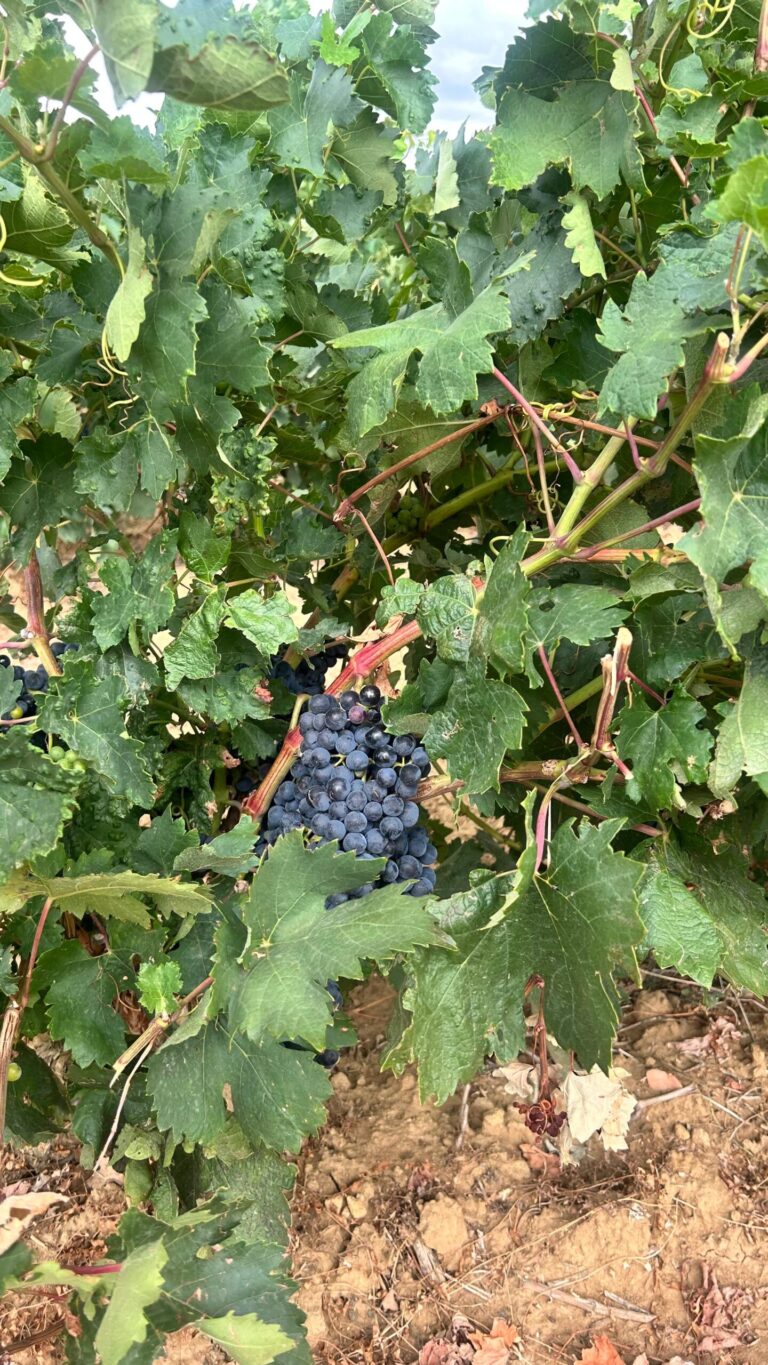
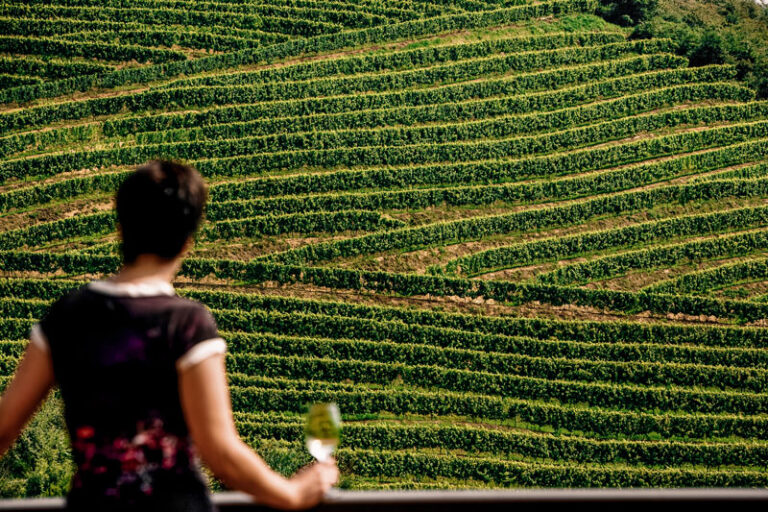
To make sense of this phenomenon, it helps to understand how grapes ripen. The vine passes through several stages over the course of the year: First, sprouting and flowering (Spring), when the initial leaves and flowers appear. Next comes véraison (Summer), where grapes shift color—from green to red or golden—and begin accumulating sugar while dropping acidity. Finally, ripening, where the fruit expands, builds aromatic compounds, and the skin’s tannins reach the desired softness. Traditionally, the harvest across the Iberian Peninsula clusters between late August and early October, depending on altitude and grape variety. Extreme weather conditions, however, can disrupt this pattern.
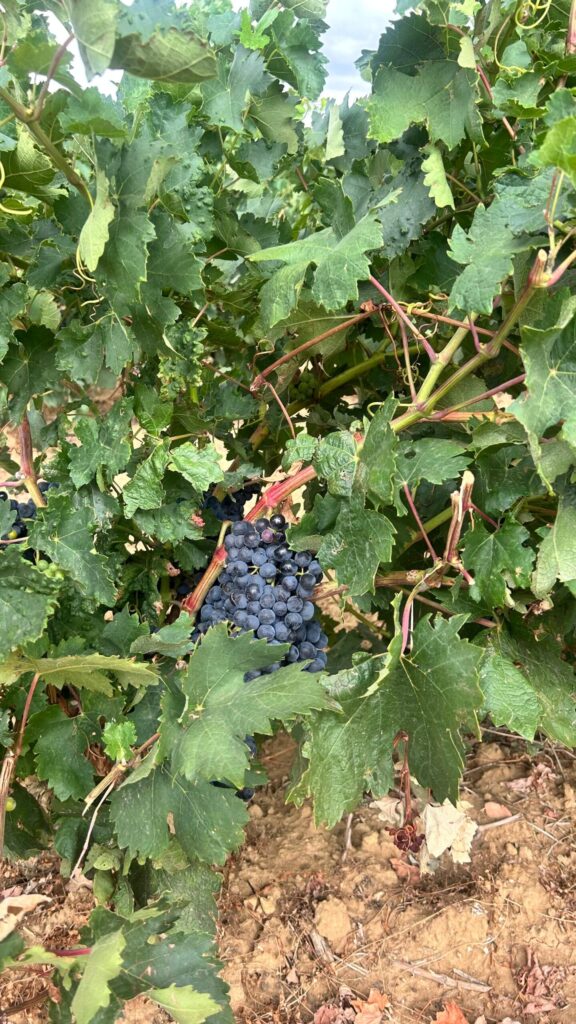
This year’s record-early harvest marks a historic turning point, driven not by a single cause but by a combination of factors. Spring rains provided the soil with deep water reserves, accelerating the early stages of plant growth. Meanwhile, intense heat set in as early as late spring, kicking off the first of several heatwaves this summer. Heat acts as a biological catalyst: it speeds up photosynthesis and triggers a rapid rise in glucose levels inside the grape berry. This blend of moisture and sustained heat forced véraison and ripening to finish in record time. The grapes quickly reached the potential alcohol levels required for winemaking, leaving wineries with no choice but to start harvesting weeks ahead of schedule to prevent overripening or the loss of essential acidity needed for wine freshness.
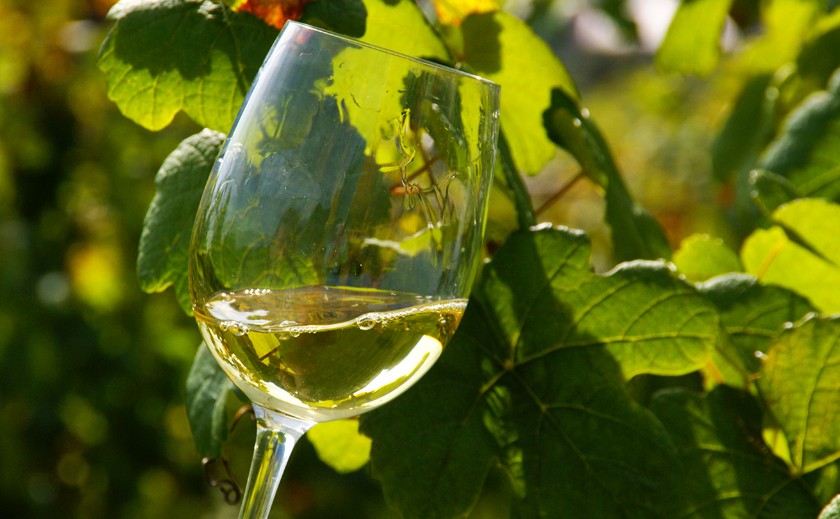
The harvest date has been creeping forward for roughly a decade, and this shift brings a distinct set of consequences. While grape quality may hold steady, overall production volume can take a slight hit.
This year’s crop looks set to fulfill those predictions. Technical reports from various Regulatory Councils highlight that the grapes are healthy, as the absence of summer rain prevented fungal diseases like downy or powdery mildew. However, extreme heat will result in smaller berry sizes, slightly cutting total output in certain regions.
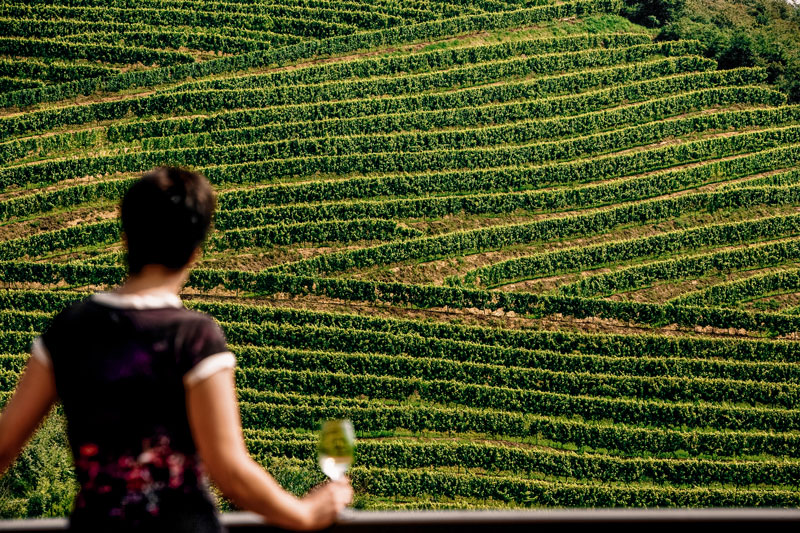
Moving the harvest forward creates a massive logistical test for growers that goes far beyond managing the calendar. Wineries must reorganize transport, grape intake, and temperature control inside fermentation tanks, as grapes arrive at the facility much warmer than ideal. Farmers also face the challenge of aligning phenolic maturity (skins and seeds) with sugar maturity—a balance that accelerated heat often disrupts.
Another shift that appears here to stay involves when and how grapes are picked. To dodge the searing daytime temperatures, night harvesting has grown exponentially in recent years. It is primarily used to protect grape quality from daytime heat. Harvesting at cooler temperatures prevents oxidation and preserves delicate aromas, as daytime heat can crack fruit skins and activate yeast prematurely before reaching the winery.
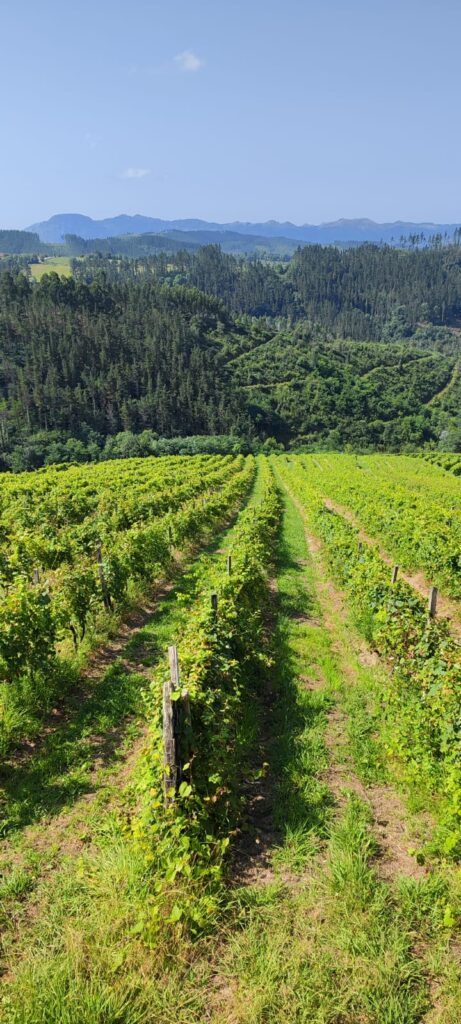
At Basqvium – Food, Culture & Luxury Experiences, we can safely say the 2026 harvest delivers a clear lesson: viticulture stands on the frontlines of climate change, where flexibility and technical adaptability offer the only true guarantee for safeguarding wine quality.
It is also worth noting that Spain boasts the largest vineyard surface area in the world, with roughly 900,000 productive hectares. According to International Financial Analysts (AFI), the wine sector generates a total gross economic impact of 22.35 billion euros per year.