What do the Sanfermines taste like?
A festival that kicks off this season with full force, painting the north of the country in red and white.With the arrival of summer, life moves outdoors almost by instinct. Terraces fill up, schedules overflow with sunny plans, and indoor spaces empty out thanks to the warm weather.
However, summer in our country is not measured only in beach days and mild nights; it is measured in celebrations. Summer is synonymous with local festivals, big and small, where gastronomy always takes center stage—ready to awaken our senses and remind us of the pleasure of sharing around a table, or right out on the street.
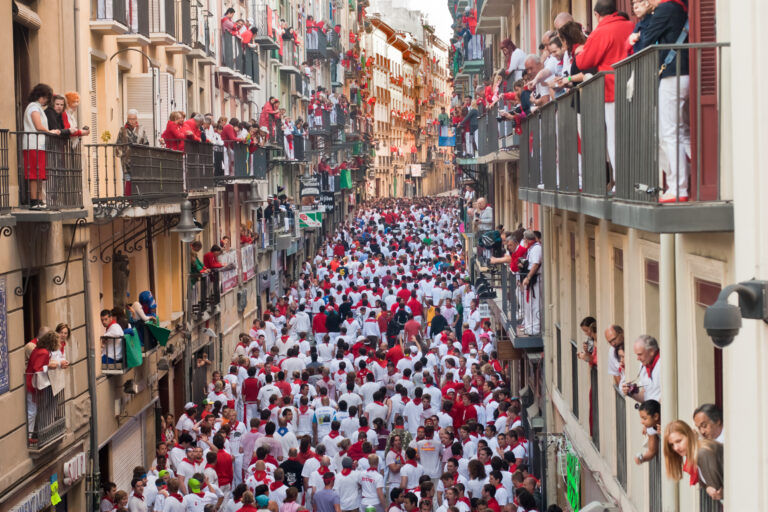
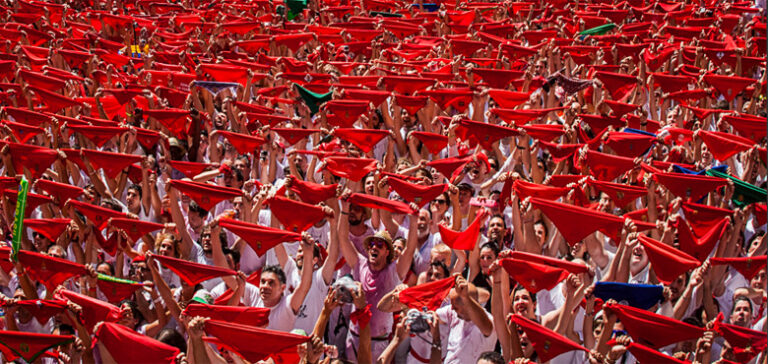
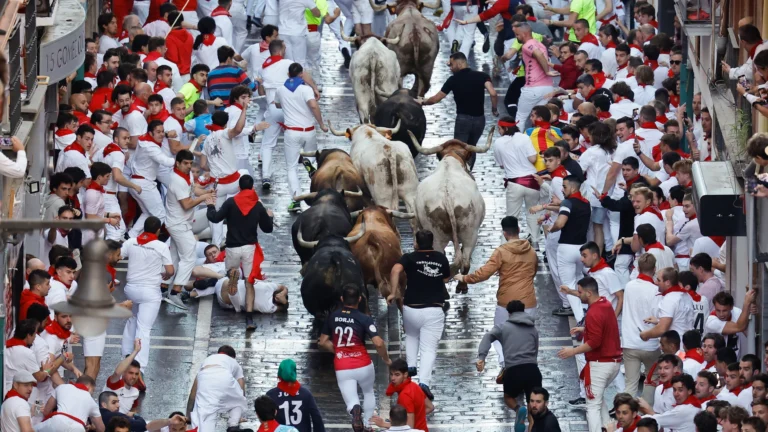
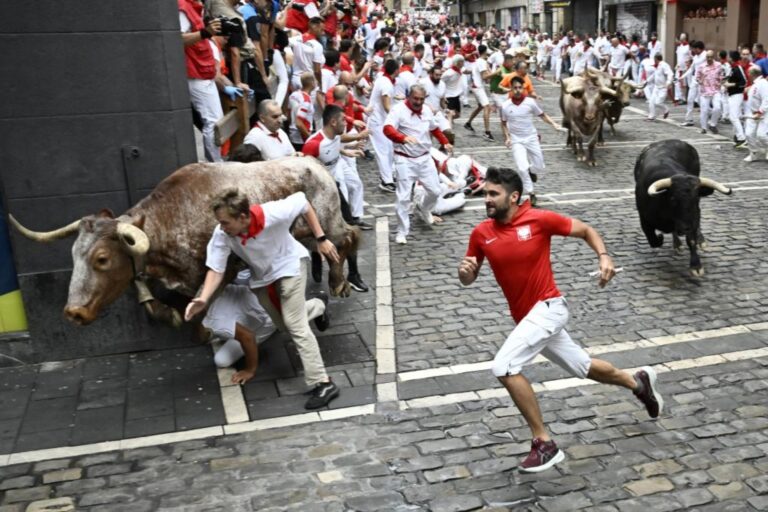
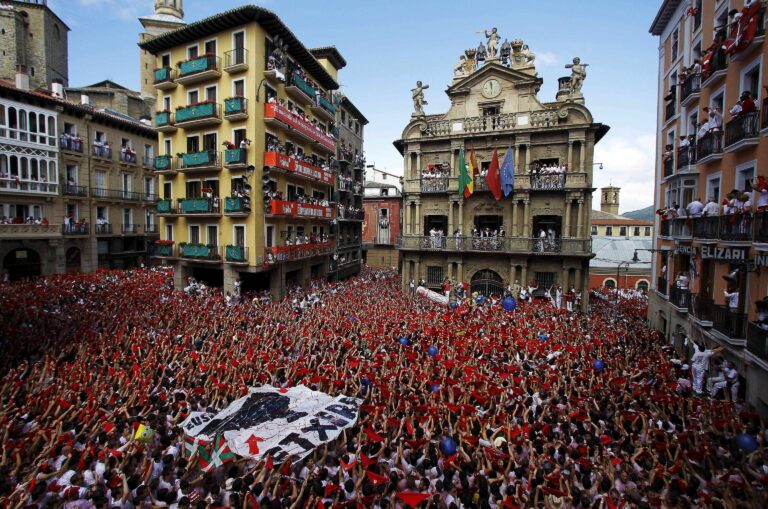
That is why at Basqvium, Food, Culture & Luxury Experience, we are launching the series «What Do Our Summer Festivals Taste Like?» with a festival that kicks off the season with full force, painting the north of the country in red and white. Amid the roar of the chupinazo rocket, the thrill of the running of the bulls, and the lively bustle of the peñas (social clubs), an inevitably gastronomic question arises: what do the Sanfermines taste like?
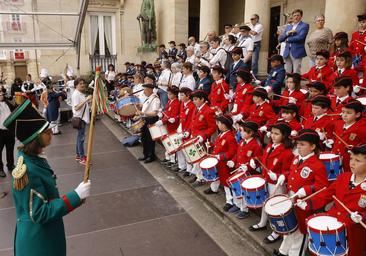
Every year, from July 6th to the 14th, Pamplona becomes the epicenter of the world. What began in the 12th century as a mix of trade fairs, secular celebrations, and religious events honoring Saint Fermín—originally celebrated in October until 1591, when the City Council moved them to July to enjoy better weather—is today one of the most international celebrations on the planet. During these nine days, the city completely transforms under a non-negotiable dress code: red and white. Without a doubt, San Fermín is, at its core, a celebration of the streets, friendship, and good food. It is the meeting point where the peñas set the rhythm, the music never stops, and gastronomy becomes the true engine that recharges the energy of locals and visitors alike.
For this very reason, at Basqvium we are bringing back the most typical dishes of these intense, vibrant days. From hearty breakfasts to fuel up for the day, to comforting stews and spoon dishes that can revive anyone after hours of partying, alongside the unmistakable midday atmosphere centered around pintxos, the Pamplona table is displayed in all its glory during these days.
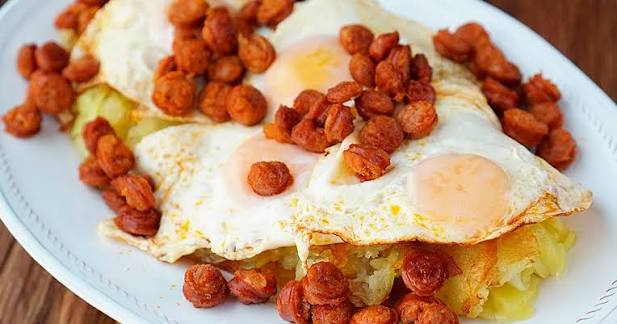
Eggs with chistorra
If there is a special moment intimately tied to the «sanferminera» tradition, it is the mid-morning snack (almuerzo) with your group of friends. And the star dish that cannot be missing from any table, especially before the chupinazo on July 6th, is fried eggs with chistorra sausage. This hearty, traditional meal—perfect for recharging your batteries after the running of the bulls or a long night out—is prepared by frying the chistorra and eggs in olive oil, often served alongside French fries and a good piece of crusty bread.
The chistorra, so typically Navarrese, originated centuries ago. Its name derives from the Basque word txistor (meaning sausage), and it was humbly born in traditional farmhouses (caseríos) as a quick and flavorful way to make use of pork scraps after the annual slaughter. Mixed with a generous amount of paprika, it achieves its characteristic reddish color.
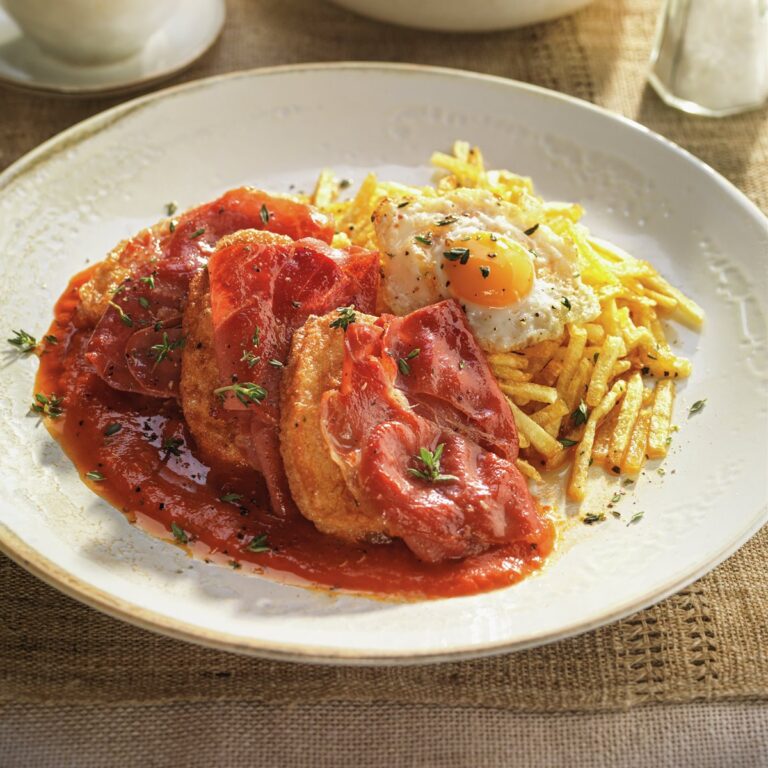
Magras with ham and tomato
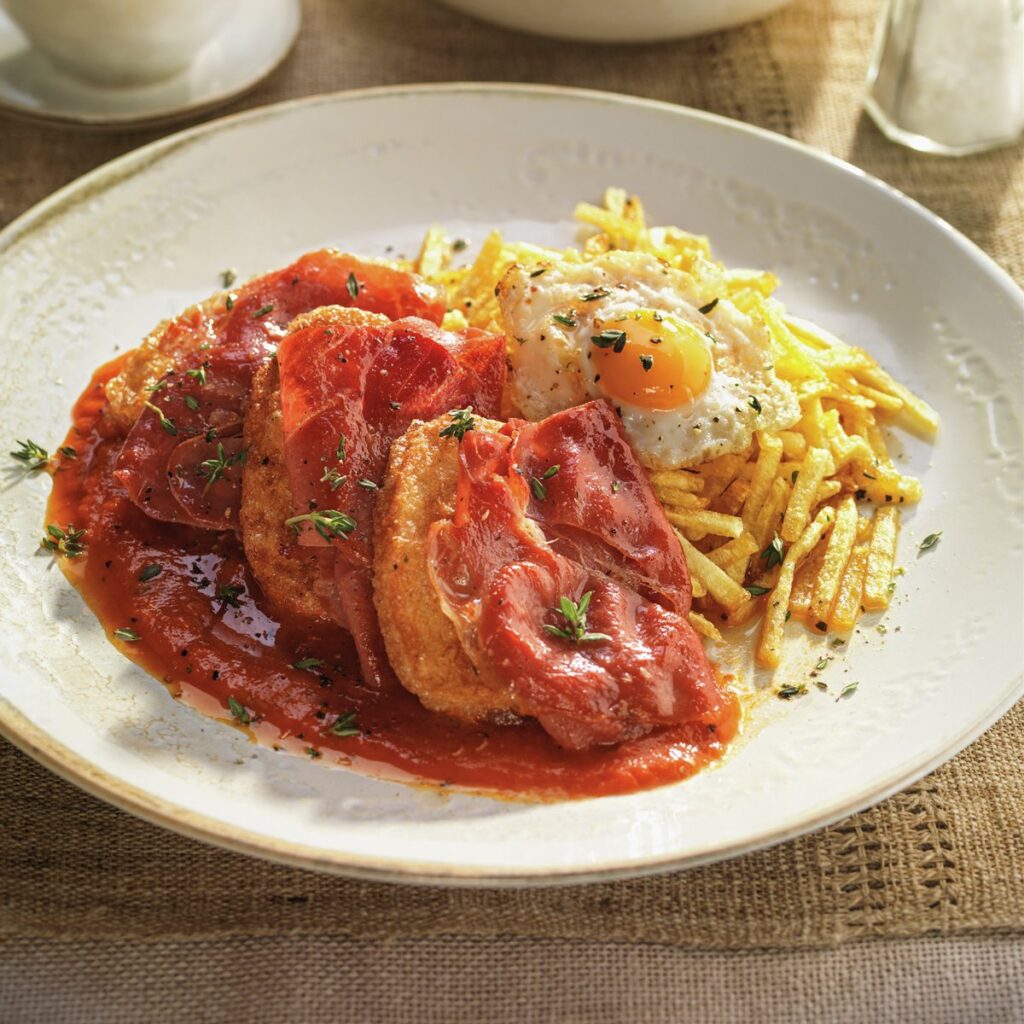
An alternative to chistorra for mid-morning snacks (almuerzos), this recipe has historical roots in traditional Aragonese cuisine and later gained widespread popularity in Navarre. It was born as a humble dish to make good use of leftover cured ham (jamón serrano).
Standing out for its simplicity and bold flavor, this dish features thick slices of ham (the magras), lightly fried and simmered in a homemade fried-tomato sauce. In Navarre, it is topped with eggs—either fried or poached directly in the sauce. It is an unbeatable combination, the kind that appeals to everyone and hits the spot at any time of day.
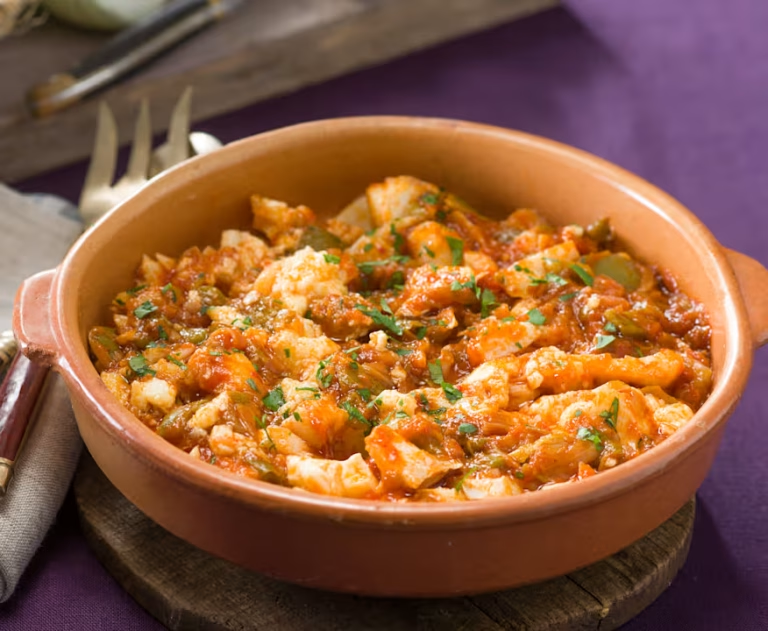
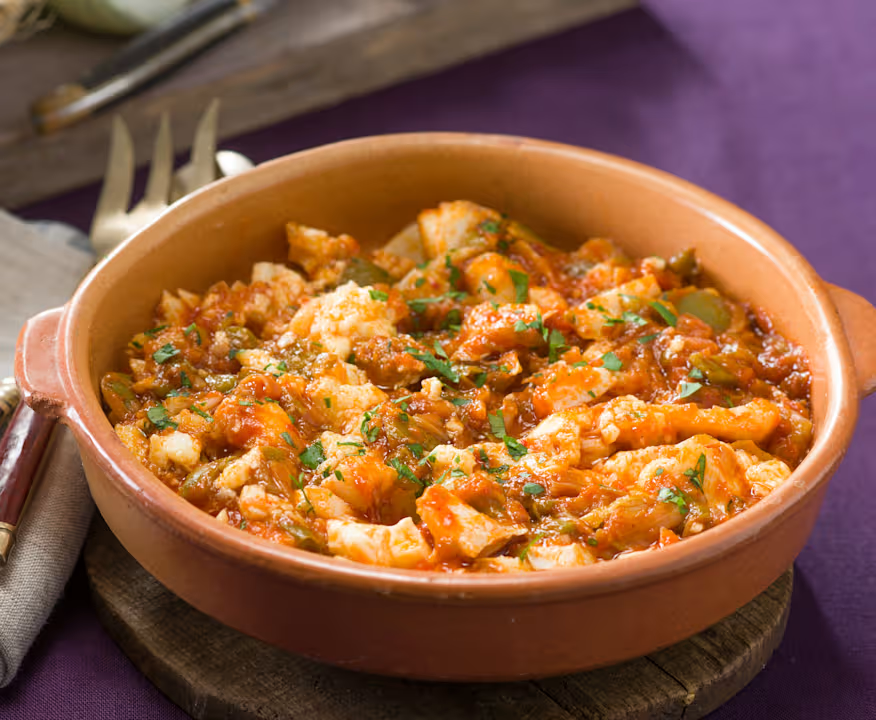
Cod Ajoarriero (Bacalao al Ajoarriero)
This great Navarrese classic was born from the muleteers (arrieros) and shepherds who transported goods and cooked using durable, easy-to-carry ingredients. By combining salted cod with garlic, peppers, tomatoes, and a generous splash of olive oil, they created a historic dish that today stands as a true hallmark of Navarrese and Basque gastronomy.
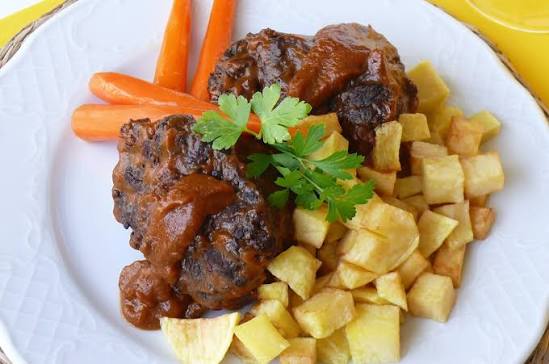
Braised Oxtail (Rabo de Toro estofado)
If there is one animal inextricably linked to the festival, it is the bull, making a traditional recipe like Braised Oxtail an absolute must. A classic of traditional Spanish cuisine, in Navarre it is favored with the addition of red wine and local vegetables from the Navarrese gardens. It stands out for its juicy meat and deeply aromatic sauce. Its secret lies in low-and-slow cooking, allowing the flavors to intensify and the meat to reach a texture so tender it melts in your mouth. Without a doubt, an essential dish for lovers of good meat.
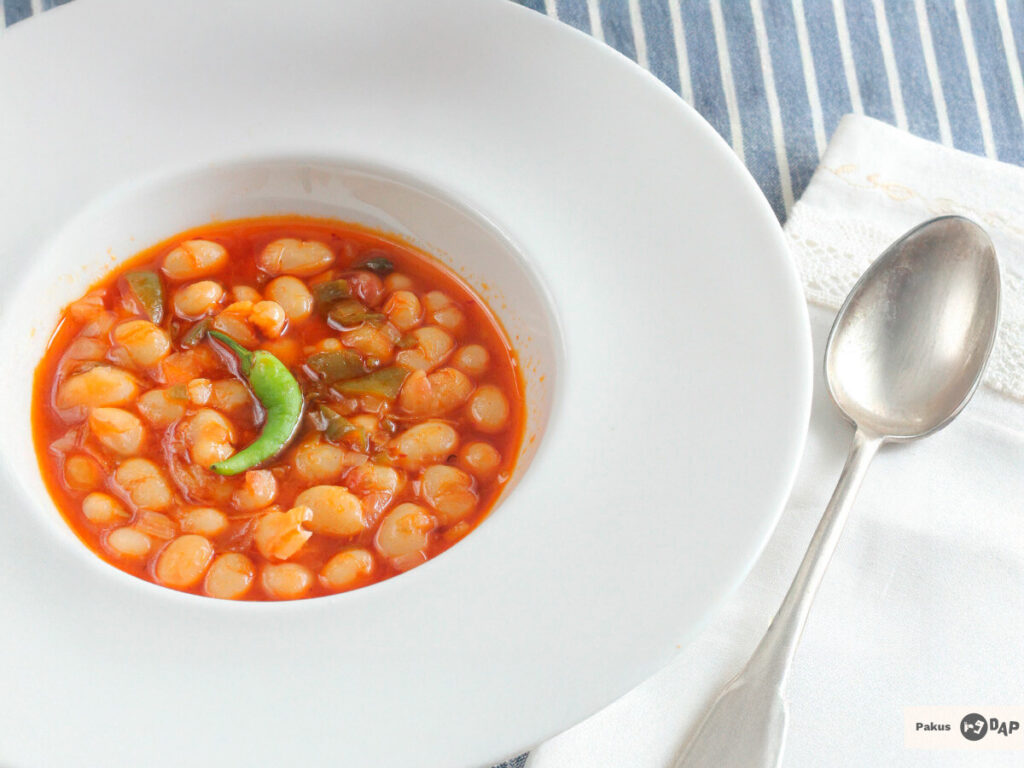
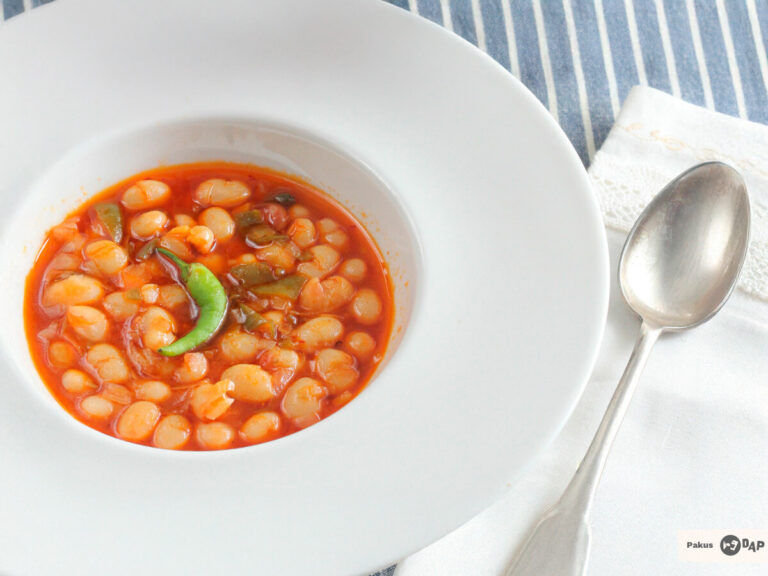
Navarrese-Style Pochas (Pochas a la Navarra)
Pochas are a white bean native to Navarre, highly prized for their unmistakable flavor and velvety smoothness—making them perfect for settling the stomach, something greatly appreciated during these festival days. The recipe originated a century and a half ago in Pamplona’s Rochapea neighborhood, spreading from there in various local varieties to Sangüesa, Tudela, Tafalla, or Puente la Reina. If the harvest permits, from July to September, they can be enjoyed fresh and newly harvested; those are the true originals. Their versatility is immense: ranging from the traditional recipe to combinations like pochas with clams or an artichoke terrine with foie gras and vinaigrette pochas. To prepare them Navarrese-style, all you need are pochas, garlic, ripe tomatoes, green peppers, onion, extra virgin olive oil, and salt. The real secret? Cook them over very low heat without letting them boil vigorously, and use the trick of adding cold water two or three times to «shock» the boil.
Without a doubt, these dishes—overflowing with flavor and deeply rooted in Navarre’s culinary tradition—feed both the body and the festive soul.
And for those who always crave a sweet touch, the Sanfermines keep an ace up their sleeve: classic Spanish hot chocolate with churros. An essential treat at any time of day to regain strength, sweeten the occasion, and keep squeezing every last minute out of this northern festival as if it were the very first day.