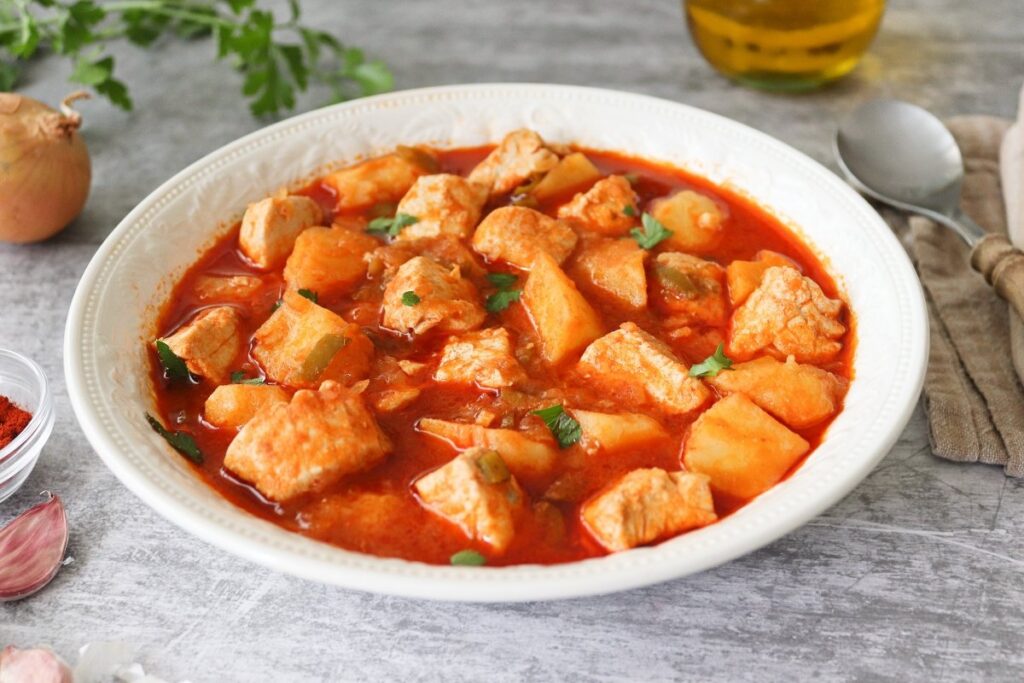
A Tradition That Tastes of Summer: The Bonito del Norte Season Begins
During the hot days of late spring and early summer, we are all searching for the same thing: that breath of fresh air to cool us down. In northern Spain, this summer freshness doesn’t just arrive with the ocean breeze; it comes in the form of tradition, flavor, and celebration.
As June begins, bringing longer days and rising temperatures, the Cantabrian Sea gently starts to warm, and a quiet magic begins to unfold across the ports. It is the most anticipated moment of the year: the Bonito del Norte season—known locally as la costera—officially gets underway. This albacore tuna, which we all affectionately call «Bonito,» returns right on schedule for its summer rendezvous, becoming the undisputed king of summer dining, seaside terraces, and dishes that taste of pure vacation.
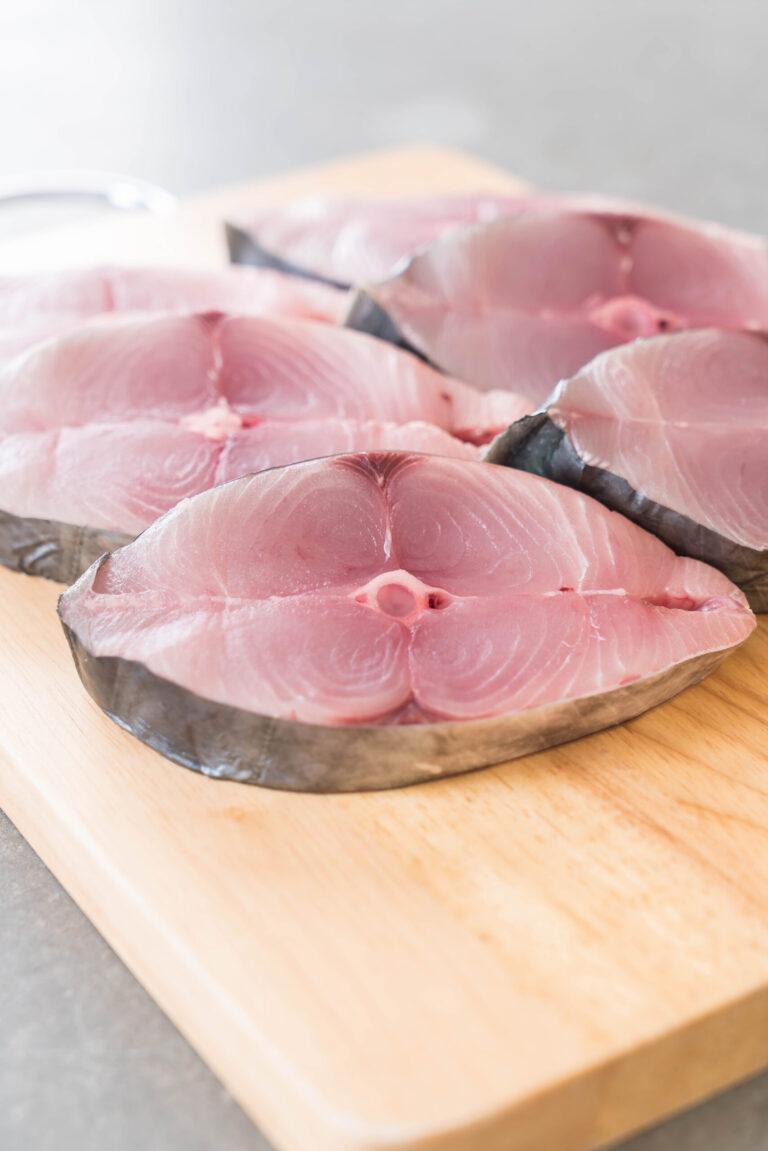
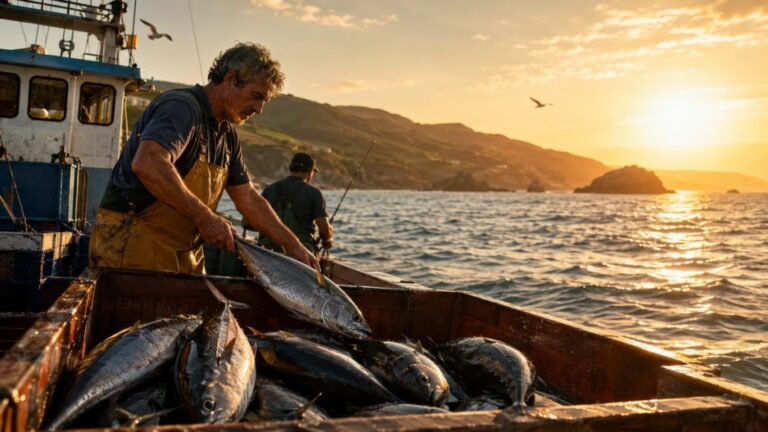
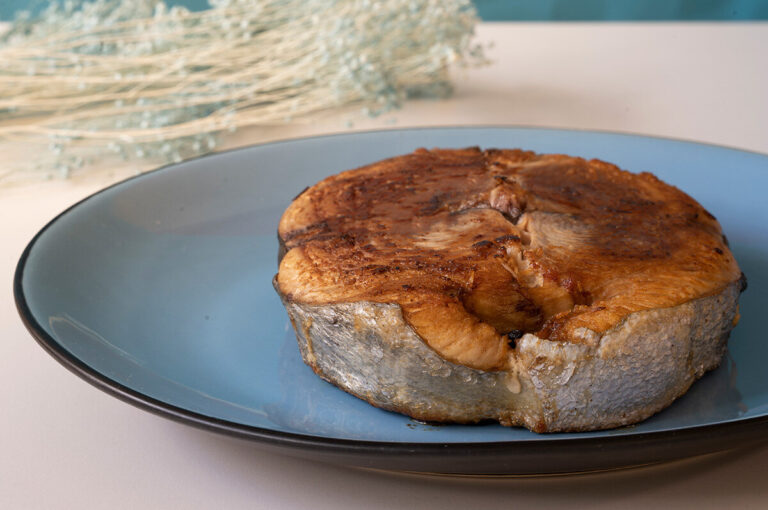
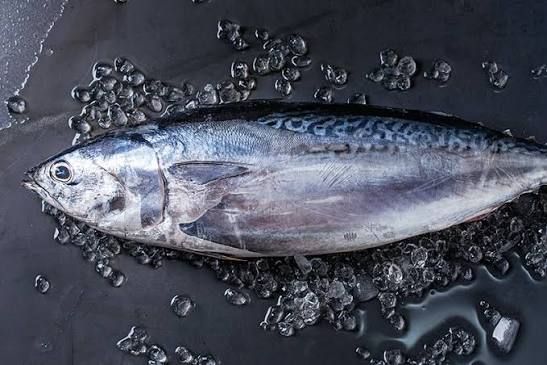
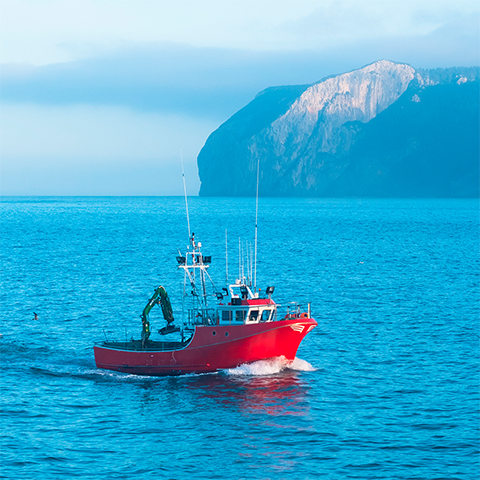
La costera is the name given to the Bonito del Norte (Thunnus alalunga) fishing campaign in the Cantabrian Sea. It is the most important campaign of the year, arriving just as the other major seasonal run—the anchovy season—comes to a close.
This is far more than just a fishing season: it is a centuries-old tradition that dictates the rhythm of life in Basque, Cantabrian, Asturian, and Galician ports throughout the summer months. It is also the reason why opening a tin of Bonito del Norte in the dead of January can instantly taste like a summer afternoon.
The Journey of a Migrator
The Bonito del Norte is a migratory fish. Born in the Sargasso Sea, they begin their migration once they reach adulthood. After their first year of life, they journey toward the Azores, Madeira, and the Canary Islands, where they spend the winter in the warmer waters of the Atlantic, feeding and building up the fat reserves necessary to survive their second migration. Coinciding with the end of spring, once the waters of the Cantabrian Sea reach the ideal temperature—around 15°C to 18°C—the bonito move closer to the coast and surface waters. This is the perfect window for fishing, and they will remain here until the arrival of autumn.
Bonito del Norte is never caught en masse; each fish is tracked down and pulled from the water individually. The entire fishing fleet of northern Spain shares an unshakeable commitment to sustainable fishing.
They rely on two traditional, low-impact methods that protect the marine ecosystem:
Trolling (curricán or cacea): Primarily used along the Galician, Asturian, and Cantabrian coasts, this method involves towing several lines with artificial lures (resembling small octopuses or fish) near the surface while the vessel sails at a low speed.
Pole-and-Line with Live Bait: Deeply rooted in Basque ports like Getaria and Hondarribia, this technique involves fishermen catching the tunas one by one using poles and live bait.
This artisanal approach is the secret behind its culinary excellence: a fish treated with exceptional care from hook to table.
The first Bonito del Norte of the season have already landed in Cantabrian fish markets after a 23-day journey to the Azores, fetching an initial price of €18.30/kg at the port of Santoña.
In Asturias, the anticipation for the season’s very first catch sent bidding at the Avilés fish market skyrocketing to a peak of €398/kg. This highly coveted first fish is traditionally celebrated as the «Campanu» of the sea—a nod to the famous first salmon caught of the season.
The first unloadings have also begun arriving at Basque ports. Now that the season is fully underway, these initial price spikes are stabilizing, with average market prices settling between €10/kg and €18/kg, depending on the size and freshness of the fish.
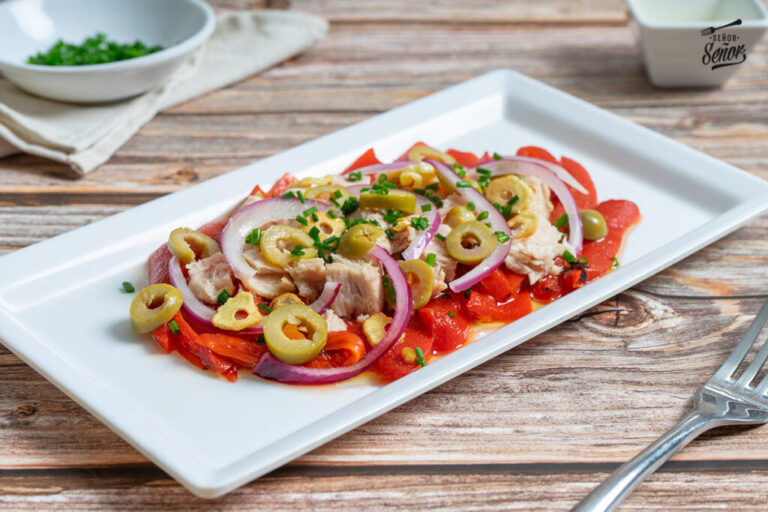
On the culinary front, Bonito del Norte is one of the most highly prized fish in the Cantabrian Sea. Its arrival on fishmonger counters is synonymous with the start of summer and deeply rooted traditional recipes across northern Spain:
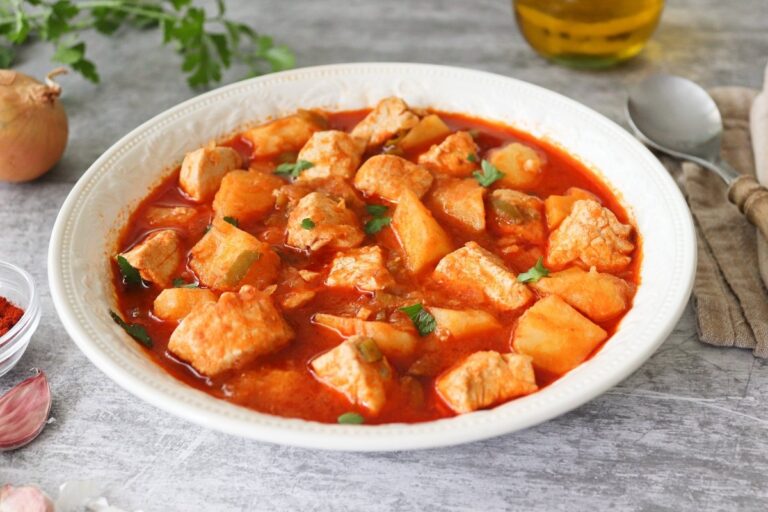
In Basque Cuisine: It shines in dishes like Marmitako (a hearty tuna and potato stew), grilled Ventresca (tender tuna belly), or Bonito a la Vizcaína (tuna in a rich red pepper sauce).
In Cantabria: It is the star of local stews known as Marmita or Sorropotún.
In Asturias: It is enjoyed as Bonito Encebollado (onion-braised tuna), Rollo de Bonito (a traditional savory tuna roll), in fresh Salpicón (seafood salad), or even as a creative fish version of the classic Cachopo.
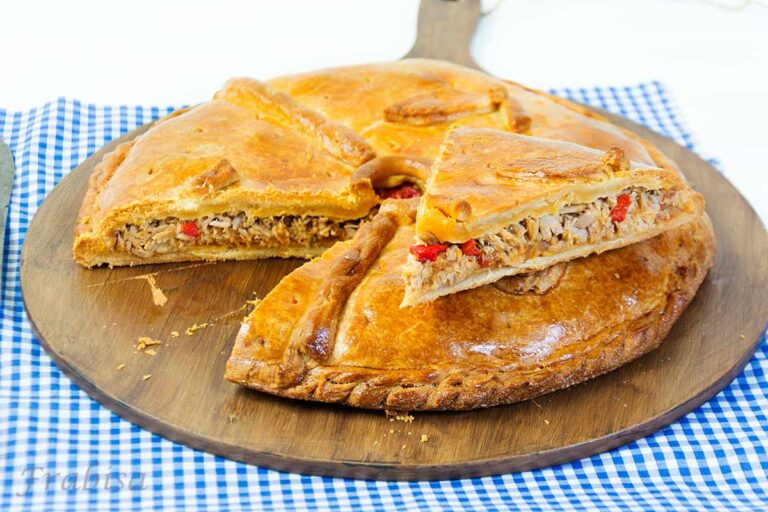
In Galicia: It becomes the rich, savory filling of their famous, golden empanadas.
Beyond the fresh fish markets, this summer fishing season is the primary engine of the Cantabrian canning industry. It employs more than 20,000 families along the northern coastline and serves as the economic lifeblood for numerous coastal towns.
The preserving process—which involves cooking, meticulously hand-cleaning the skin and bones, and packing the delicate fillets in high-quality olive oil—is carried out entirely by hand using artisanal methods to preserve its exceptional gourmet quality.
At Basqvium, we warmly encourage you to choose fresh, seasonal products like Bonito del Norte. The key to making a conscious and quality-driven choice is to always check the labeling, which guarantees sustainable fishing practices (certified by the MSC seal) and local origin (such as the prestigious Eusko Label in the Basque Country)