
Springtime Gastronomic Gems of the Basque Country
After a long winter, we all eagerly look forward to the sunny days of spring—stepping outside as the temperatures rise, the days grow longer, and with them, the new crops begin to sprout.
On the culinary front, the seasonal produce from our market gardens finally yields its fruit after meticulous autumn and winter planting. Among these offerings are authentic gastronomic delicacies, some of which emerge from the earth in small quantities and for only a few weeks—making them a truly exclusive springtime luxury. It is no wonder they are highly sought after by haute cuisine and our finest chefs.
At Basqvium, we invite you to discover the undisputed stars of the Basque spring:
Tear Peas – The Green Caviar
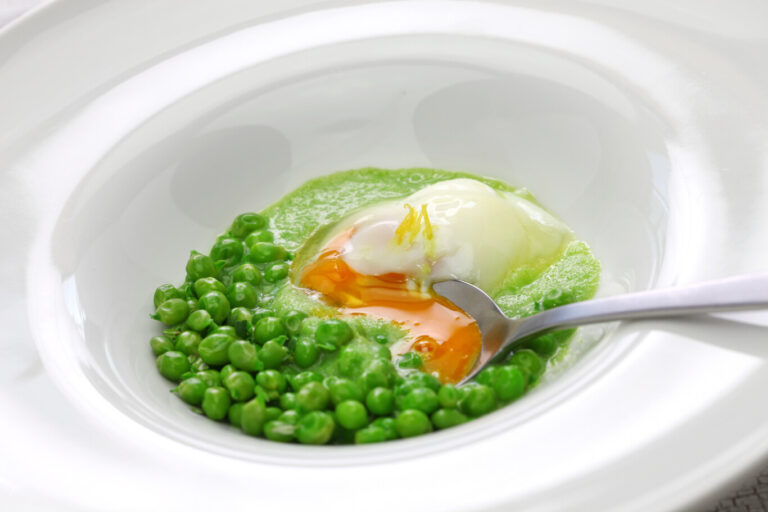
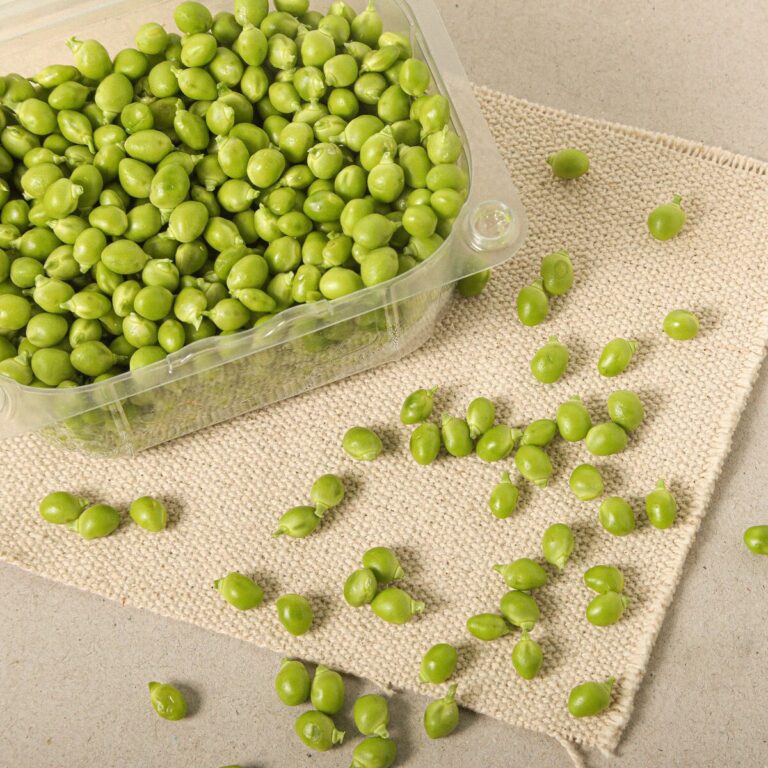
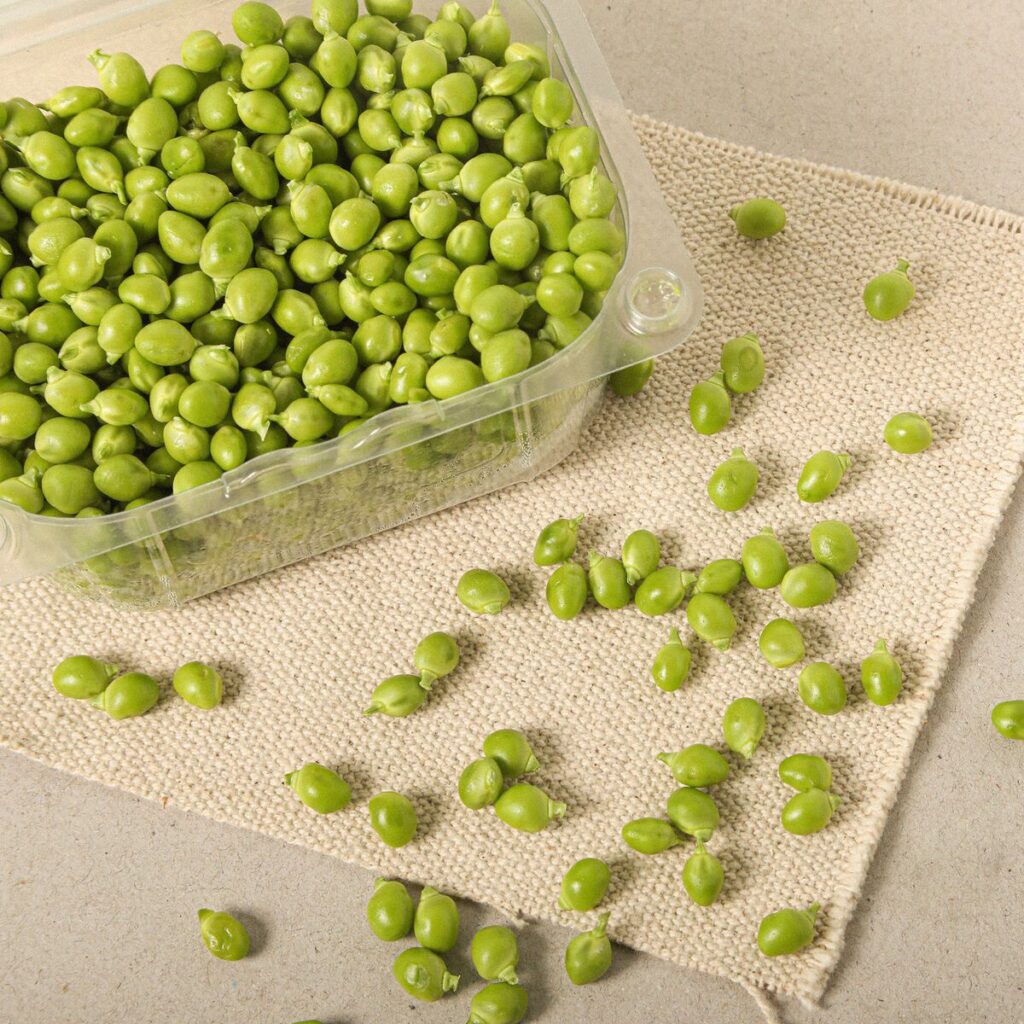
Known as «green caviar» these peas are grown under very specific microclimatic conditions along the Basque coast (in towns like Getaria and Zarautz) and are considered a true gastronomic jewel. They are highly prized for their extreme sweetness and thin, crisp skin that bursts in the mouth.
These green pearls are harvested at dawn in early spring and require intense, artisanal labor. They must be shelled by hand, and it takes approximately 10 to 15 kg of pods to yield just 1 kg of shelled peas. The smaller the tear pea, the more delicate and extraordinary its texture when bitten. They can only be enjoyed for about three weeks out of the entire year, as the optimal time for consumption is when the seed is still shaped like a teardrop (hence the name) before it fully matures. This also accounts for their high market price, which can easily exceed €300 to €400 per kilogram.
St. George’s Mushrooms – «Perretxikos»
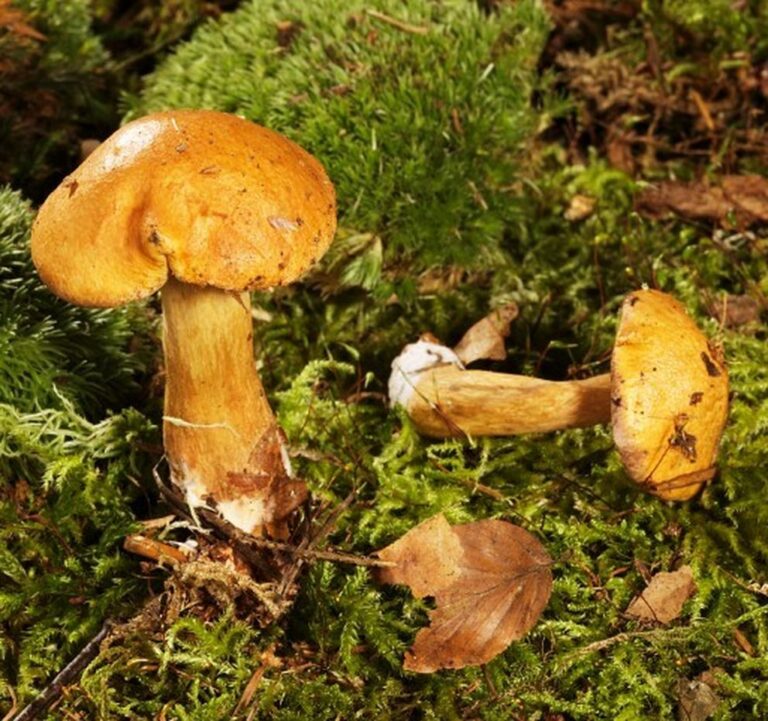
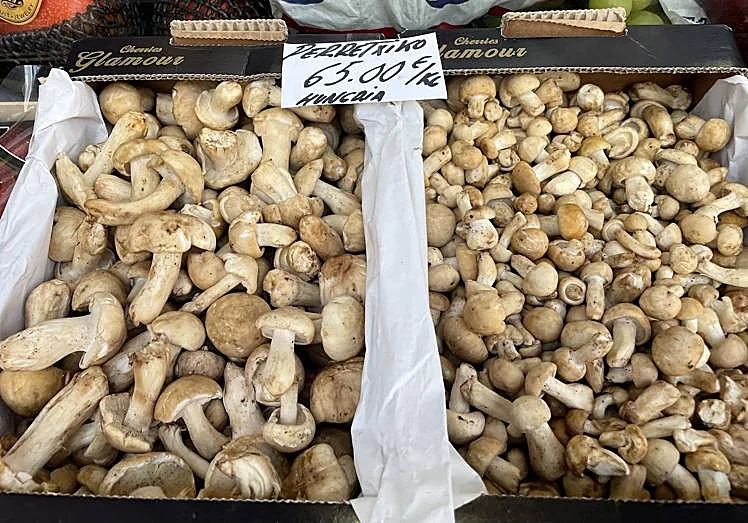
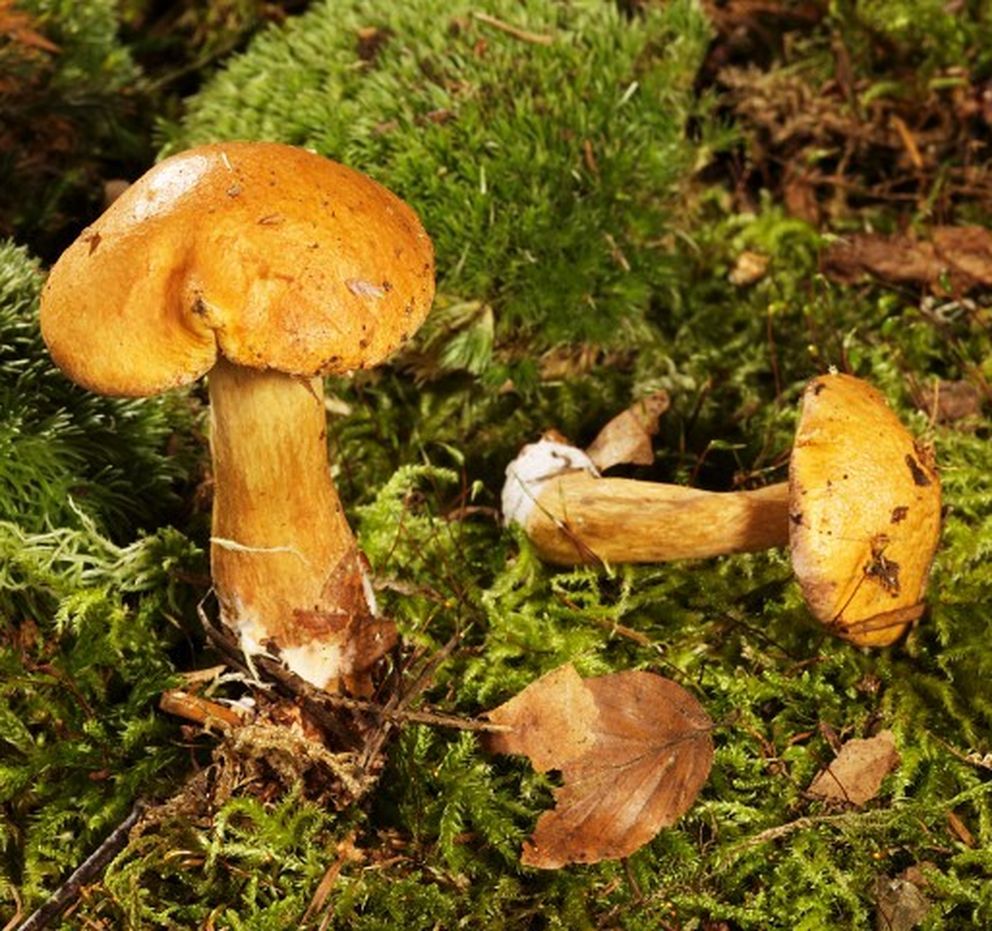
The perretxiko, or St. George’s mushroom (Calocybe gambosa—so named because it begins to appear around his feast day on April 23rd), is a highly prized spring mushroom in northern Spain, particularly in the Basque Country and Navarre. Renowned for its intense aroma of fresh flour, meaty texture, and cream color, this mushroom grows in circular patterns in mountain meadows or forest clearings with limestone soils.
They usually appear in hard-to-reach areas—hidden among shrubs, brambles, nettles, herbaceous plants, or heather—and grow in clusters within a very specific habitat known locally as perretxikales or «fairy rings.» It is an ingredient of immense culinary value, with prices typically ranging between €40 and €100 per kilogram, depending on its origin, size, and quality.
Gernika Peppers (Pimientos de Gernika)
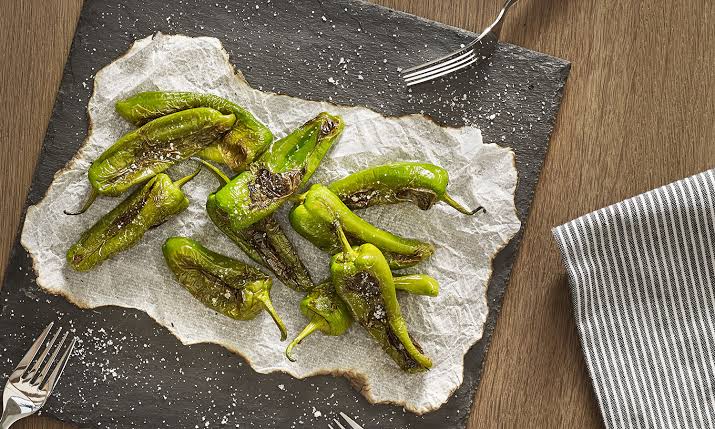
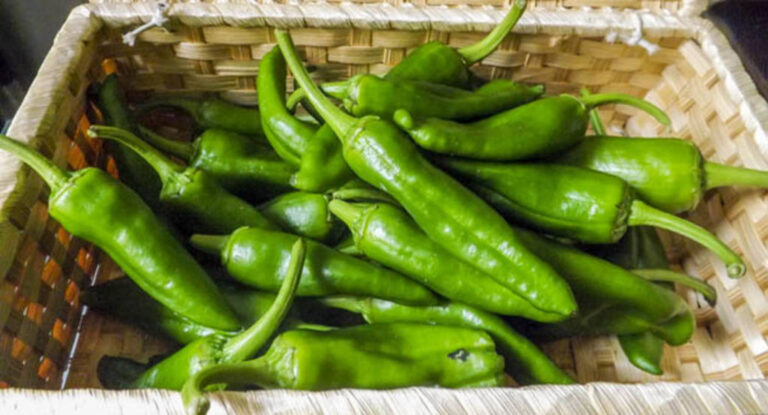
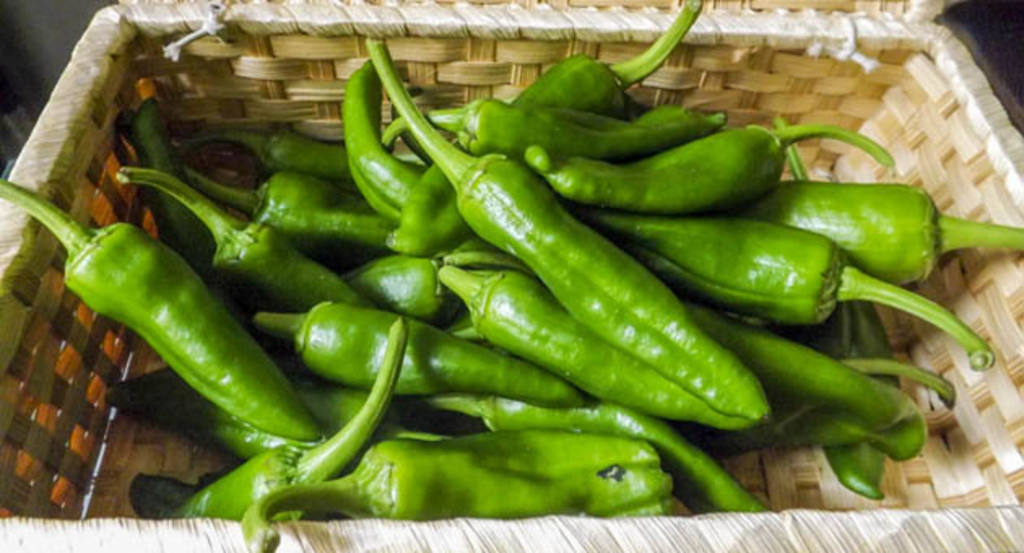
With a larger production volume and a longer harvesting window, we find this small, bright green pepper—one of the most cherished treasures of Basque agriculture and cuisine. The Gernika pepper belongs to the Capsicum annuum species. It thrives in high humidity, mild temperatures, and minimal thermal fluctuations—conditions perfectly met along the Basque coast and in inland valleys with an Atlantic climate.
They are hand-harvested mainly from May to October, every 2 to 3 days, while the fruit is still green to ensure optimal flavor. Under the Eusko Label quality seal, the peppers must meet strict size regulations, established between a minimum of 6 cm and a maximum of 9 cm.
For years, they were simply known as «Biscay peppers.» However, their fame was cemented by the historic Monday market in Gernika—especially the famous «Last Monday of October» market—where local farmers would bring their very best harvests. This market, which remains an unmissable event today, ultimately gave the product its definitive name.
Spring undoubtedly invites us to delight in its finest treasures. It is the perfect time to savor exceptional foods, elevate our meals to a gourmet standard, and raise a toast under the sun with a refreshing drink.At Basqvium Food, Culture & Luxury Experiences, we believe deeply in the importance of showcasing our vast cultural and culinary heritage, and we work passionately to promote the appreciation and enjoyment of these extraordinary ingredients.